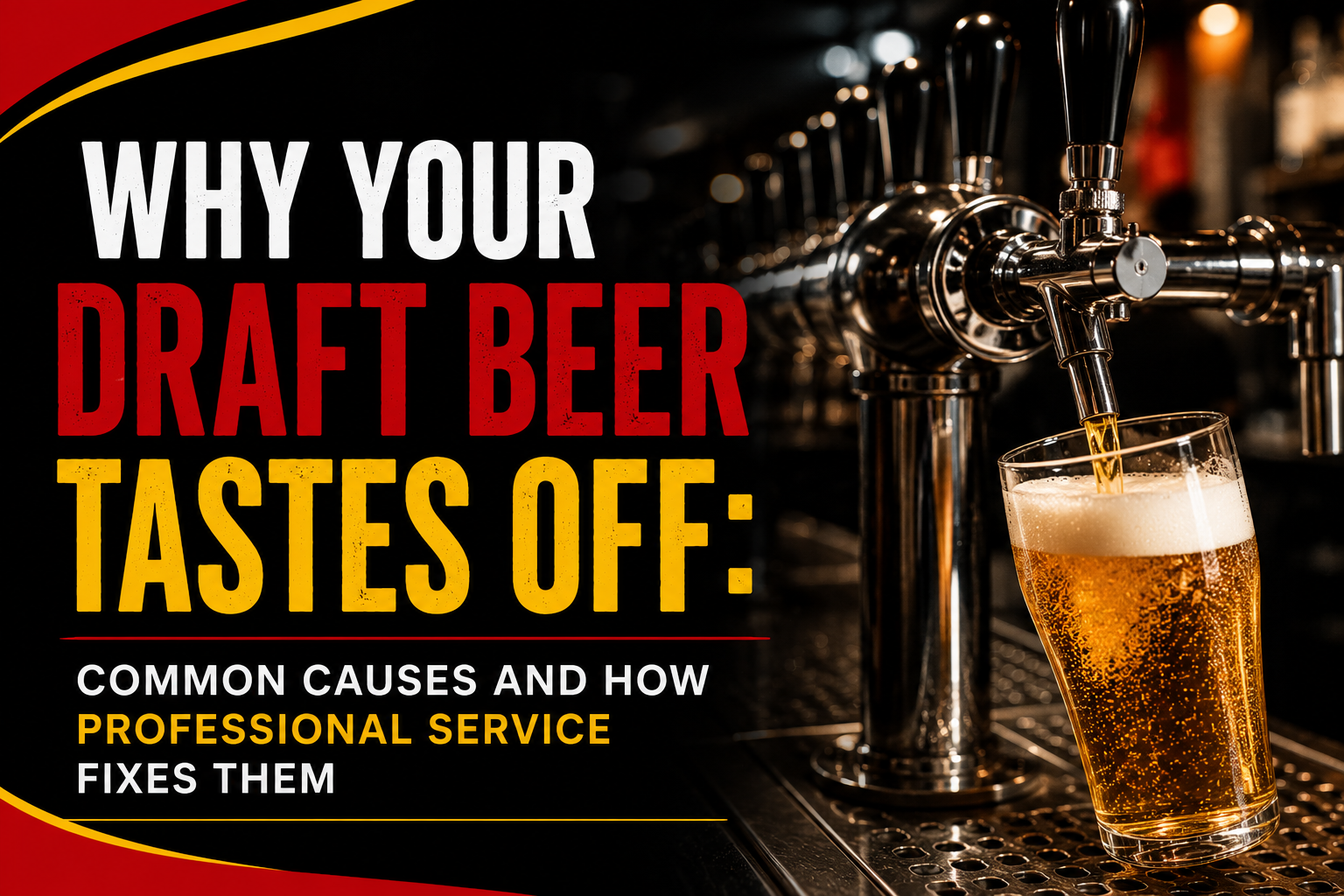
Why Is My Draft Beer Foamy? Common Causes and Fixes


Few things frustrate a bar owner, restaurant manager, or bartender more than opening the tap and getting a glass full of foam instead of a clean pour. Foamy beer is more than an annoyance. It slows service, wastes product, and creates a bad guest experience that can affect repeat business.


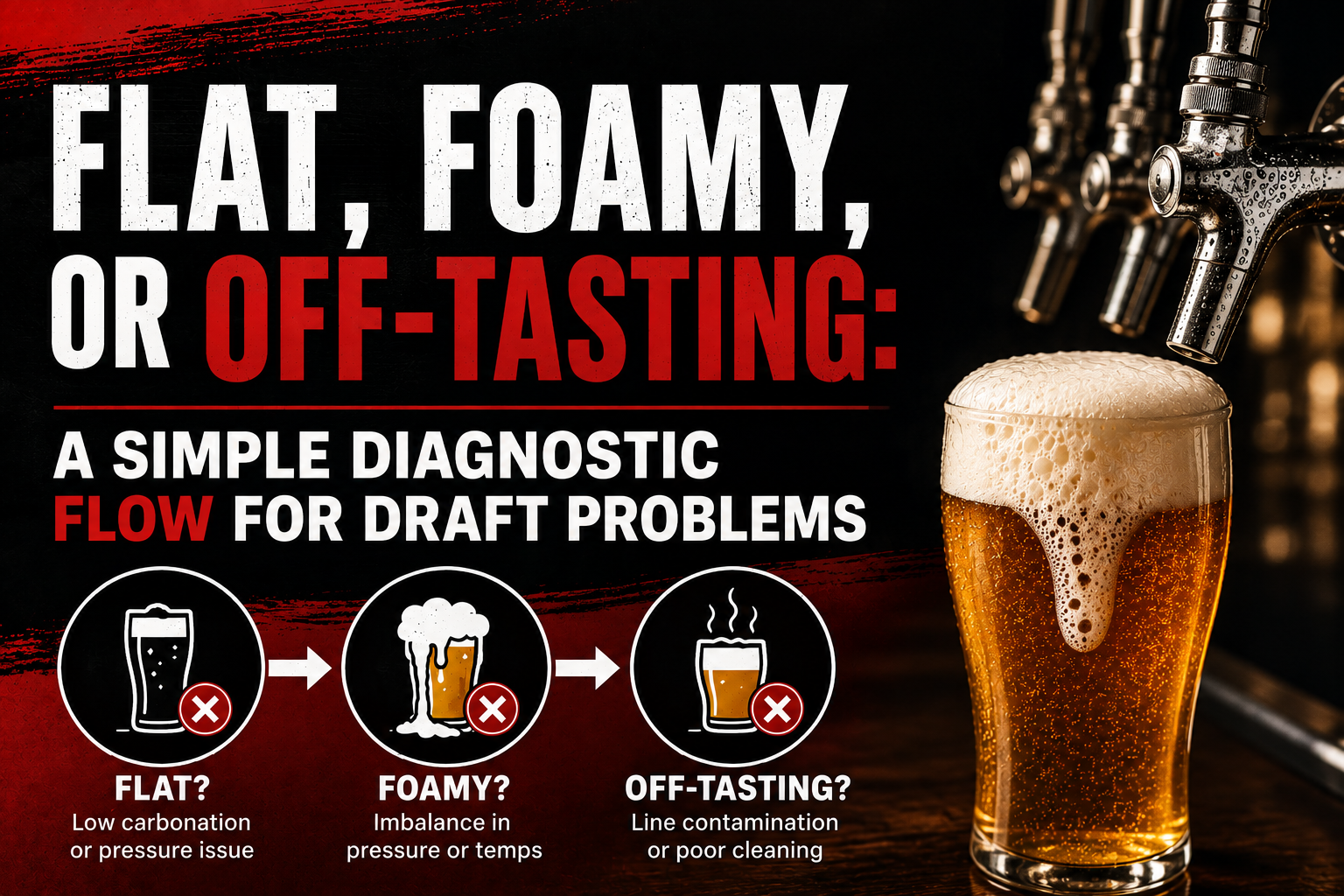
The good news is that foamy draft beer is usually a sign of a fixable problem. In most cases, the issue comes down to temperature, pressure, cleanliness, equipment wear, or improper system balance. Once you know where to look, you can often narrow the problem quickly and keep your draft system running the way it should.


What Foamy Beer Means

Draft beer is supposed to leave the keg, travel through the system, and reach the glass at the right balance of pressure and temperature. When that balance is off, carbonation escapes too quickly and foam takes over.


Foam can happen at the tap, in the line, or inside the keg itself. Sometimes the cause is obvious, like a warm line or a dirty faucet. Other times, it points to a deeper system issue that needs professional attention. Understanding the difference helps you avoid temporary fixes that only mask the real problem.


Temperature Problems

One of the most common causes of foamy draft beer is inconsistent temperature. Beer needs to stay cold from the keg all the way to the faucet. If the beer warms up anywhere along the route, carbonation becomes unstable and foam increases.


This problem often shows up when the system is installed in a warm storage area, the cooler is not holding temperature properly, or the lines are too long without proper cooling. In some cases, the first pint after a period of inactivity may be foam-heavy because warm beer has been sitting in the line.


To reduce this issue, check the walk-in cooler, remote cooling equipment, and line insulation. If your system uses a glycol chiller, make sure it is operating correctly and keeping the beer line cold throughout the entire run.


Pressure Imbalance

Pressure is another major factor in draft beer performance. If the CO2 pressure is too low, beer loses carbonation before it reaches the glass. If the pressure is too high, the beer can overcarbonate and pour with excessive foam.


A balanced system keeps the beer moving at the right pace while maintaining carbonation from keg to tap. When the pressure setting does not match the beer line length, elevation change, or temperature, foam problems usually follow.


Signs of pressure imbalance include beer that starts out foamy and then settles down, beer that tastes flat, or sudden changes in pour quality after a keg change. A technician can test the system and adjust pressure to match the setup properly.


Dirty Beer Lines and Faucets

Cleanliness plays a bigger role in beer quality than many people realize. Yeast, sugar, protein, and mineral buildup can coat the inside of lines, faucets, and couplers. Over time, this buildup affects flow and creates nucleation points where carbonation breaks out of solution and forms foam.


Dirty lines often cause beer to taste stale or sour in addition to pouring badly. If a faucet has sticky residue or buildup around the spout, that can also disrupt the pour.


Regular line cleaning is one of the best ways to prevent foam issues. In a busy commercial setting, line cleaning should never be an afterthought. Keeping faucets, couplers, and product lines clean helps maintain flavor, flow, and consistency.


Worn or Damaged Equipment

Even a well-balanced draft system can develop foam problems if hardware is worn out or damaged. Old faucets, failing washers, cracked couplers, or leaking seals can all disrupt beer flow. In some cases, a tiny air leak is enough to create major pour issues.


Towers and shanks can also cause trouble if they are not insulated properly. When beer sits in warm metal parts, it starts to expand and foam before it even reaches the glass. A worn or poorly designed draft tower can create repeat issues that no amount of pressure adjustment will solve.


If you’ve already checked the basics and the problem continues, it may be time to inspect the physical components of the system. Replacing a small part at the right time can prevent bigger service failures later.


Improper System Balance

A draft system must be balanced to match the beer style, line length, temperature, and pressure. When the balance is off, foam is often the first warning sign. This is especially common when a system has been modified over time without a full recalculation.


For example, adding a longer beer run without adjusting pressure can create a slow, unstable pour. Replacing one piece of equipment without checking the whole system can also throw off performance. What looks like a faucet problem may actually be a line-balance issue.


A properly balanced system helps beer pour at the right speed and with the right carbonation. This improves consistency, reduces waste, and gives customers a better experience every time they order a pint.

Keg Handling Issues

Sometimes the foaming problem starts before the beer even reaches the draft system. If a keg is shaken, moved too roughly, or not allowed to settle after transport, carbonation can surge and create a poor pour.


Warm keg storage can also cause trouble. Beer that has been sitting too long outside proper refrigeration may pour excessively foamy until it cools back down. In high-volume operations, keg rotation and storage discipline matter more than many teams realize.


This is why proper training is important. Staff should know how to handle kegs, connect them correctly, and allow new kegs to settle before service begins.


Quick Troubleshooting Steps

If your beer is pouring foamy, start with these checks:


  • Confirm the keg is cold.
  • Check whether the line and faucet are clean.
  • Make sure the CO2 pressure is set correctly.
  • Inspect for leaks or damaged fittings.
  • Review whether the system has been balanced properly.


These steps can help identify the most common causes quickly. If the issue keeps returning, there is usually a deeper system problem that needs professional diagnosis.


When to Call a Technician

If foam problems happen often, it usually means the system needs more than a simple reset. Repeated issues can point to faulty regulators, poor line design, bad insulation, or a cooling system that is not doing its job.


A qualified draft beer technician can test the full system, identify the real source of the foam, and recommend the right repair. That is especially important for restaurants and bars that depend on draft sales every day. The longer the problem goes unresolved, the more product and revenue you lose.


Conclusion

Foamy draft beer is usually a symptom, not the root problem. Temperature, pressure, cleanliness, worn parts, and system balance all affect how beer pours. The best fix is to identify the real cause instead of chasing short-term workarounds.


For commercial venues, consistent draft performance protects product quality, speeds up service, and keeps customers happy. A well-maintained system is one of the most valuable pieces of equipment behind the bar.

GIVE US A CALL TODAY
Brewskis Beverage Service

AUTHOR:

Brewskis Beverage Service

Brewskis Beverage is a draft beer service company that specializes in draft system repair, installation, and custom beer tower design.

LEAVE A COMMENT:

Need Help with Draft Beer System Repair & Installation?

If you're in need of a draft beer system, be sure to check out Brewskis Beverage. We offer a wide selection of direct-draw beer systems that are perfect for any business. We also offer repair and installation services, so you can be sure your system is always up and running. Contact us today to learn more!

Blog - Request a Quote

Search Post:

RECENT POST:
April 12, 2026
Choosing a draft beer system is a big decision for any bar, restaurant, taproom, or hospitality business. The right setup affects not only how beer tastes and pours, but also how efficiently your team can serve customers and how much product you lose over time. A draft system is not one-size-fits-all. The right choice depends on your beverage menu, your volume, your space, and the layout of your building. If you choose the wrong system, you may end up with foamy beer, long wait times, expensive repairs, or a setup that is difficult to maintain. Why System Choice Matters A draft beer system is both a sales tool and an operations tool. When it is designed well, it supports fast service, consistent pours, and a better guest experience. When it is designed poorly, it creates headaches that affect staff, customers, and the bottom line. Many business owners focus only on upfront cost, but that is only part of the picture. Installation quality, line design, cooling needs, and maintenance requirements all affect the long-term value of the system. A smart choice now can save time and money later. Start With Your Business Type The first step is to think about how your business actually uses draft beer. A small bar with limited tap volume has very different needs from a high-volume restaurant or a taproom with many rotating offerings. If your business serves beer quickly and in smaller quantities, a simpler direct-draw system may be enough. If you need to run beer farther from the cooler to the taps, you may need a longer-draw system with additional cooling support. The more complex the service environment, the more important it becomes to design around real operating conditions. Understand Direct-Draw Systems Direct-draw systems are usually simpler and shorter in design. In this setup, the keg sits close to the tap, often in a refrigerated space or cooler. Because the distance is short, the system is often easier to install and maintain. This type of system works well for small bars, limited menus, and businesses that want straightforward service with fewer moving parts. It can also be a cost-effective choice when space is tight. However, direct-draw systems are not ideal for every layout, especially when the tap tower is far from the keg storage area. Understand Long-Draw Systems Long-draw systems are used when beer must travel a longer distance from the keg to the faucet. These systems are more complex and often require glycol cooling or other temperature-control solutions to keep beer cold along the entire line. Long-draw systems are common in larger bars, restaurants, venues, and high-volume operations. They allow more flexibility in layout because the keg room can be located away from the bar. That said, they also require more careful design, stronger maintenance, and more precise balancing to prevent foamy pours and temperature issues. Think About Beer Volume The amount of beer you sell should influence your setup. A business with just a few popular taps does not need the same infrastructure as a venue with constant draft movement and multiple beer styles. High-volume operations benefit from systems that support speed, reliability, and easy keg changeouts. Lower-volume businesses may prioritize simplicity and lower equipment cost. The goal is to match the system to actual demand instead of overbuilding or underbuilding the setup. If you expect growth, it is smart to plan for expansion early. A system that can scale with your business may save you from a costly redesign later. Consider Space and Layout Your physical layout is just as important as your beer list. Where is the keg storage area? How far is it from the bar? Can the lines be routed efficiently? Is there enough ventilation and access for service? These layout questions affect more than convenience. They determine how stable the system will be and how easy it will be to repair. Tight spaces, long runs, and awkward equipment placement can increase the risk of temperature loss, line damage, and service interruptions. A professional installer will look at the whole environment, not just the tap tower. That includes back-of-house workflow, refrigeration, line routing, and future maintenance access. Cooling Is Critical Temperature control is one of the most important parts of draft system design. Beer that gets too warm will foam, taste inconsistent, and lose quality before it reaches the glass. For short systems, refrigeration around the keg may be enough. For longer runs, glycol cooling or a similar solution may be necessary. The system should be designed to maintain cold beer all the way through the line, not just at the start. Poor cooling is one of the most common reasons draft systems underperform. If the temperature design is weak from the beginning, no amount of pressure adjustment will fully fix the problem. Pay Attention to Line Balance A draft system must be balanced so that beer flows at the right speed with the right pressure. If the system is not balanced correctly, customers may receive foamy beer, flat beer, or slow pours. Line length, elevation, beer temperature, CO2 pressure, and faucet resistance all affect balance. This is why draft installation should never be treated like a basic equipment hookup. The system needs to be engineered as a whole. Balanced systems pour more consistently, waste less beer, and reduce calls for service. For busy businesses, that consistency is a major advantage. Choose Equipment That Fits the Job Draft beer systems are made up of many parts, including towers, faucets, regulators, couplers, lines, and cooling components. The quality and compatibility of these parts matter. Cheap or mismatched components can cause ongoing problems. A good system should use parts that are appropriate for your beer volume, your layout, and your service goals. In some cases, custom-built or custom-fabricated pieces may be the best way to achieve a clean, reliable setup. If your concept has a specific design style or customer experience in mind, equipment choice also affects the look of the bar. The system should perform well and fit the brand. Maintenance Should Be Part of the Decision Many buyers focus only on installation and forget about what happens after opening. But every draft system needs maintenance to keep pouring properly. You should ask how easy the system will be to clean, service, and repair. If a component fails, can it be replaced quickly? Are parts easy to access? Will the setup allow routine line cleaning without major disruption? A system that is difficult to maintain may cost less upfront but more over time. In commercial food and beverage operations, serviceability is just as important as appearance. When Professional Design Helps Draft beer system design involves more than running a few lines and attaching taps. A professional installer can help match the system to your layout, traffic patterns, and service expectations. That matters even more if you have a custom bar, a large beverage program, or multiple draft products. A well-designed system reduces risk, protects beer quality, and helps staff work more efficiently. It also creates fewer surprises after opening. If you are planning a new build or major upgrade, getting the design right at the beginning is one of the best investments you can make. Conclusion The best draft beer system is the one that fits your business, your space, and your service goals. Direct-draw systems work well for simpler setups, while long-draw systems support larger and more flexible operations. When choosing a system, consider volume, space, cooling, balance, equipment quality, and maintenance needs. A thoughtful installation creates better beer, faster service, and fewer repair problems over time.
April 12, 2026
A glycol chiller is one of the most important pieces of equipment in a long-draw draft beer system. It keeps beer cold as it travels from the cooler or keg room to the tap, helping maintain consistent temperature and pour quality across the entire line. When a glycol chiller starts failing, the effects are usually noticeable fast. Beer may pour foamy, warm, or inconsistent. In many cases, what looks like a beer problem is actually a cooling problem. That is why understanding the warning signs of glycol chiller trouble matters for any business that relies on draft beer. What a Glycol Chiller Does A glycol chiller circulates a chilled glycol solution through trunk lines or cooling loops that surround the beer lines. Its job is to keep the beer cold from start to finish, especially when the keg room is far from the bar. This is critical in long-draw systems because beer temperature must stay stable over distance. Without proper cooling, beer warms up in the line, carbonation becomes unstable, and foam takes over. A working chiller helps preserve both product quality and system balance. Signs of Trouble Glycol chiller problems often show up as draft issues first. If your beer suddenly starts pouring foamy or warm, the chiller should be one of the first things checked. Common warning signs include: Beer lines that feel warm. Foamy pours across multiple taps. A chiller that is running constantly or not turning on. Ice buildup or unusual condensation. Strange noises coming from the unit. Uneven beer temperatures at different taps. These symptoms do not always mean the chiller is completely broken, but they do signal that something is wrong. Catching the issue early can prevent bigger damage and reduce downtime. Common Causes of Failure Glycol chillers can fail for several reasons. One of the most common is low glycol level, which prevents the system from cooling the lines effectively. Other causes include pump issues, compressor failure, dirty coils, clogged filters, electrical problems, or improper settings. In some cases, the problem may be related to insulation or line routing rather than the chiller itself. That is why diagnosis should consider the whole system, not just the machine. Even small maintenance issues can reduce performance over time. If the unit has not been inspected regularly, a minor problem may eventually grow into a complete shutdown. Temperature Problems Spread Fast When a glycol chiller is not working correctly, temperature problems usually affect more than one tap. That is one reason these issues can be so disruptive in a commercial setting. If beer in multiple runs starts pouring warm or foamy at the same time, the cooling system may be losing efficiency. If only one area is affected, the problem may be localized to a specific line, pump, or insulation section. The pattern of the problem can help point to the source. Because draft systems are interconnected, one cooling failure can make the whole system seem unreliable. That is why prompt repair matters. Why Repair Matters Quickly A failing glycol chiller does more than inconvenience staff. It affects product quality, service speed, and revenue. Warm beer pours poorly, wastes product, and frustrates customers. Staff may need to repeatedly dump foam-heavy drinks, which slows service during busy periods. If the issue continues too long, it can damage guest confidence in the bar or restaurant. Quick repair helps limit those losses. The sooner the chiller is restored, the sooner the draft system returns to stable operation. What Technicians Check When a technician services a glycol chiller, they usually begin with the basics. That may include checking glycol level, temperature settings, pumps, compressor operation, electrical components, and signs of leaks or blockages. They may also inspect the insulation and line routing to make sure the cooling loop is doing its job. In some cases, the problem is not the chiller itself but a failed part of the cooling path. A full diagnostic approach helps avoid unnecessary replacement and ensures the real issue is addressed. Professional testing is especially important because glycol systems are tied to beer quality across multiple taps. A small malfunction can create widespread problems. Preventive Maintenance Helps Many glycol chiller failures can be delayed or avoided with regular maintenance. Simple tasks like checking fluid levels, cleaning coils, inspecting lines, and monitoring temperature can help catch problems early. Preventive care also makes it easier to spot changes in performance. If a chiller is slowly losing efficiency, regular checks can identify the issue before customers notice. That can save money and reduce emergency service calls. For businesses that rely heavily on draft beer, maintenance is not optional. It is part of keeping the system profitable and dependable. When to Call a Pro Some minor issues can be identified by staff, but glycol chiller repair is usually best handled by a trained technician. These systems involve refrigeration, pumps, glycol circulation, and draft balance, so the fix is often more technical than it first appears. If the chiller is not cooling properly, is making unusual noises, or is causing repeated beer quality issues, professional service is the right move. A qualified technician can diagnose the exact cause, repair the system safely, and confirm that the draft lines are cooling correctly again. Trying to keep service going with a failing chiller usually leads to more wasted product and more customer complaints. Fast professional help is often the most cost-effective option. How It Supports the Whole System A glycol chiller does not just cool beer. It supports the entire draft experience. When it works correctly, the system pours cleanly, keeps flavor stable, and helps staff move quickly during service. That is why chiller repair is such an important part of commercial draft system care. It protects the investment in the beer lines, the taps, and the customer experience. In a high-volume operation, stable cooling is one of the foundations of reliable draft service. Conclusion Glycol chiller problems can look like beer problems, but they are often the root cause behind foamy pours and inconsistent temperature. Knowing the warning signs, understanding the common causes, and acting quickly can prevent bigger losses. For bars, restaurants, and taprooms, a properly working chiller is essential to draft system performance. When it fails, the entire system feels it. Prompt repair and regular maintenance are the best ways to keep beer pouring cold, consistent, and profitable.
April 12, 2026
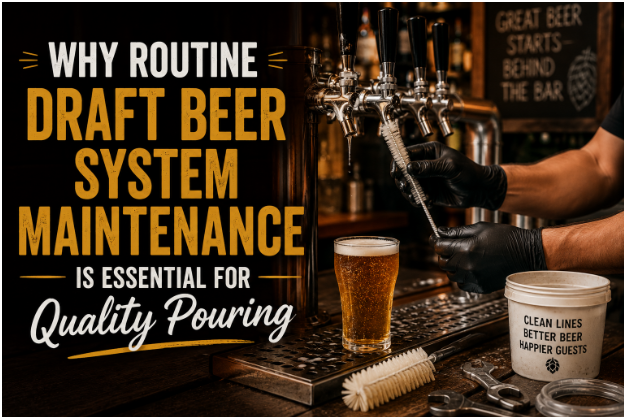
A draft beer system is not something you install once and forget. Like any piece of commercial equipment, it needs regular maintenance to keep working properly and delivering consistent results. For bars, restaurants, and taprooms, maintenance is not just about preventing breakdowns. It is about protecting product quality, reducing waste, avoiding emergency repairs, and keeping customers happy with every pour. A well-maintained system performs better, lasts longer, and costs less to operate over time. Why Maintenance Matters Draft beer quality depends on a chain of connected parts working together correctly. If one part becomes dirty, worn, or out of balance, the whole system can suffer. Routine maintenance helps prevent common issues like foamy beer, flat beer, slow pours, off flavors, and temperature problems. It also helps staff catch small issues before they turn into expensive failures. For a business that depends on draft sales, that kind of prevention is valuable. Clean Beer Tastes Better One of the most important maintenance tasks is line cleaning. Over time, yeast, sugar, protein, and mineral buildup can collect inside beer lines, faucets, and couplers. That buildup affects flavor and flow. Dirty lines can make beer taste stale, sour, or off, even when the keg itself is fine. They can also create foam issues and slow service. Regular cleaning helps keep beer tasting the way it should and protects the customer experience. In a commercial setting, line cleaning should be scheduled, not improvised. Waiting until customers notice a problem usually means the system has already been affected. Faucets and Hardware Need Attention Faucets, shanks, couplers, washers, seals, and regulators all wear down over time. These parts are used constantly, and even small defects can cause major issues. A worn faucet may drip, stick, or pour unevenly. A failing seal can let air into the system. A damaged coupler can create leaks or pressure problems. Regular inspection helps catch these issues before they disrupt service. Keeping hardware clean is important, but cleaning alone is not enough. Parts also need to be checked for wear, corrosion, and proper function. Temperature Checks Are Essential Temperature control is one of the biggest factors in draft system performance. Beer that is too warm becomes foamy, while beer that is too cold can pour poorly or affect flavor. Maintenance should include checks on refrigeration, cooler performance, insulation, and glycol cooling equipment if the system uses it. If temperature changes are not caught early, the system can slowly drift out of balance without anyone noticing. Businesses often think they have a pressure issue when the real problem is temperature. Routine checks help separate one from the other and prevent unnecessary adjustments. Pressure Should Be Monitored CO2 pressure is what moves beer through the draft system and keeps it carbonated properly. If the pressure is too low, beer may pour flat or inconsistent. If it is too high, beer can become overcarbonated or foam-heavy. Maintenance should include regulator checks and system balancing. Pressure changes can happen gradually as equipment ages or as kegs are replaced. If the system is not monitored, these changes can affect pour quality long before anyone realizes what is happening. A balanced system is easier on the staff, more consistent for customers, and less likely to waste product. Watch for Leaks Leaks are one of the most costly hidden problems in a draft system. A leak in the line, coupler, fitting, or gas side can affect performance and waste beer or CO2. Even a small leak can create pressure loss, unstable pours, and unnecessary service calls. In some cases, a leak may not be obvious until the problem has been happening for weeks. That is why routine inspection matters. Checking for leaks should be part of every preventive maintenance visit. Catching them early can save money and protect the rest of the system from strain. Keep Equipment Accessible A system that is difficult to access is harder to maintain properly. If technicians or staff cannot reach the right components, routine service becomes slower and less effective. Good system design makes maintenance easier. That includes clear access to couplers, lines, regulators, cooling components, and faucets. It also includes enough space to inspect and replace parts without tearing apart the entire setup. If your system was installed in a tight or awkward space, maintenance may need to be even more deliberate. The easier it is to service, the more likely it is to stay in good shape. Know the Warning Signs You do not need to wait for a major failure to know something is wrong. Draft systems usually give warning signs before they stop working properly. Common signs include: Foamy or flat beer. Slow or uneven pours. Strange taste or smell. Dripping faucets. Visible leaks. Temperature swings. Excessive noise from cooling equipment. These signs often point to issues that can be fixed before they become bigger problems. Training staff to recognize them is one of the simplest ways to improve system reliability. Build a Maintenance Schedule The best maintenance plan is one that happens consistently. Businesses should not rely only on emergency repairs when something breaks. A good schedule may include regular line cleaning, periodic equipment inspections, temperature checks, pressure checks, and gasket or seal replacement when needed. The exact timeline depends on the size of the system, the beer volume, and the type of business. Even a simple maintenance calendar can make a big difference. When service becomes routine, problems are easier to prevent and easier to trace. Maintenance Saves Money Some owners delay maintenance because they see it as an added expense. In reality, preventive care often reduces overall cost. Clean lines use product more efficiently. Balanced systems waste less beer. Working equipment is less likely to need emergency repairs. And customers are less likely to receive bad pours that damage the guest experience. Over time, maintenance is one of the best ways to protect both revenue and reputation. In the draft business, consistency has real financial value. Professional Service Matters Staff can handle some basic upkeep, but a commercial draft beer system also needs professional service. Technicians can identify hidden problems, test balance, inspect cooling components, and replace worn parts correctly. That is especially important for multi-tap systems, long-draw systems, or setups with glycol cooling. These systems depend on precision, and small mistakes can cause repeated issues. Professional service helps keep the system performing the way it was designed to perform. If your business depends heavily on draft sales, scheduled service is a smart operational decision, not just a repair expense. Conclusion Draft beer system maintenance protects beer quality, reduces waste, and helps prevent costly surprises. Regular cleaning, inspection, pressure checks, temperature control, and leak detection all play a role in keeping the system reliable. For commercial businesses, the goal is not just to fix problems when they happen. It is to build a system that stays consistent, efficient, and easy to service over time.
January 31, 2024
Mastering Kegerator Repair at Home
By joseph ruiz October 25, 2023
One cannot stress the significance of a dependable and effective beer tap system when supplying cool, delicious beer. The direct draw beer technology is one such technology that has grown in favor of the realm of beverage serving at bars and restaurants. This blog will explore the direct draw beer system , its advantages, and the reasons for its popularity among beverage sector companies. 
September 25, 2023
Beer connoisseurs are aware that the cleanliness of the beer tap system frequently affects the flavor of a pint. Whether you're a bar owner, bartender, or homebrewer, maintaining the beer's quality and ensuring your clients or visitors enjoy every drink depends on regular beer tap cleaning . In this blog, we'll examine the significance of beer tap cleaning, the procedures involved, and why it's essential for individuals working in the sector, from installing bar taps to keeping a spotless beer tap system.
December 1, 2022
Brewskis offers expert draft beer system repair & installation services. Our technicians can help you maintain your draft beer system. Read more in our blog!
Follow Brewskis Beverage Service on Facebook!

FOLLOW US ON FACEBOOK!

We would love to hear from you. Follow us on facebook to stay up to date with our latest posts and deals!