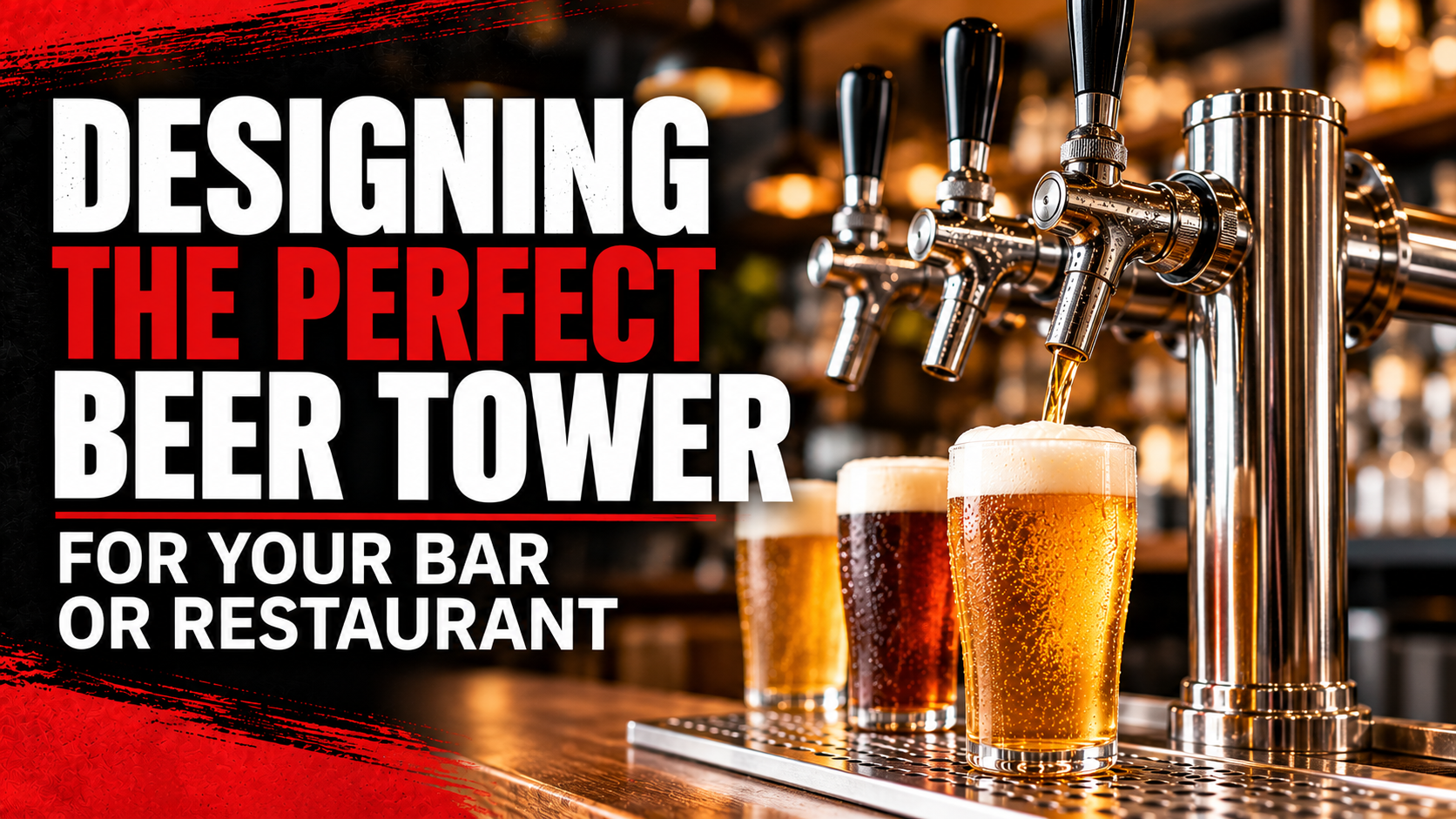
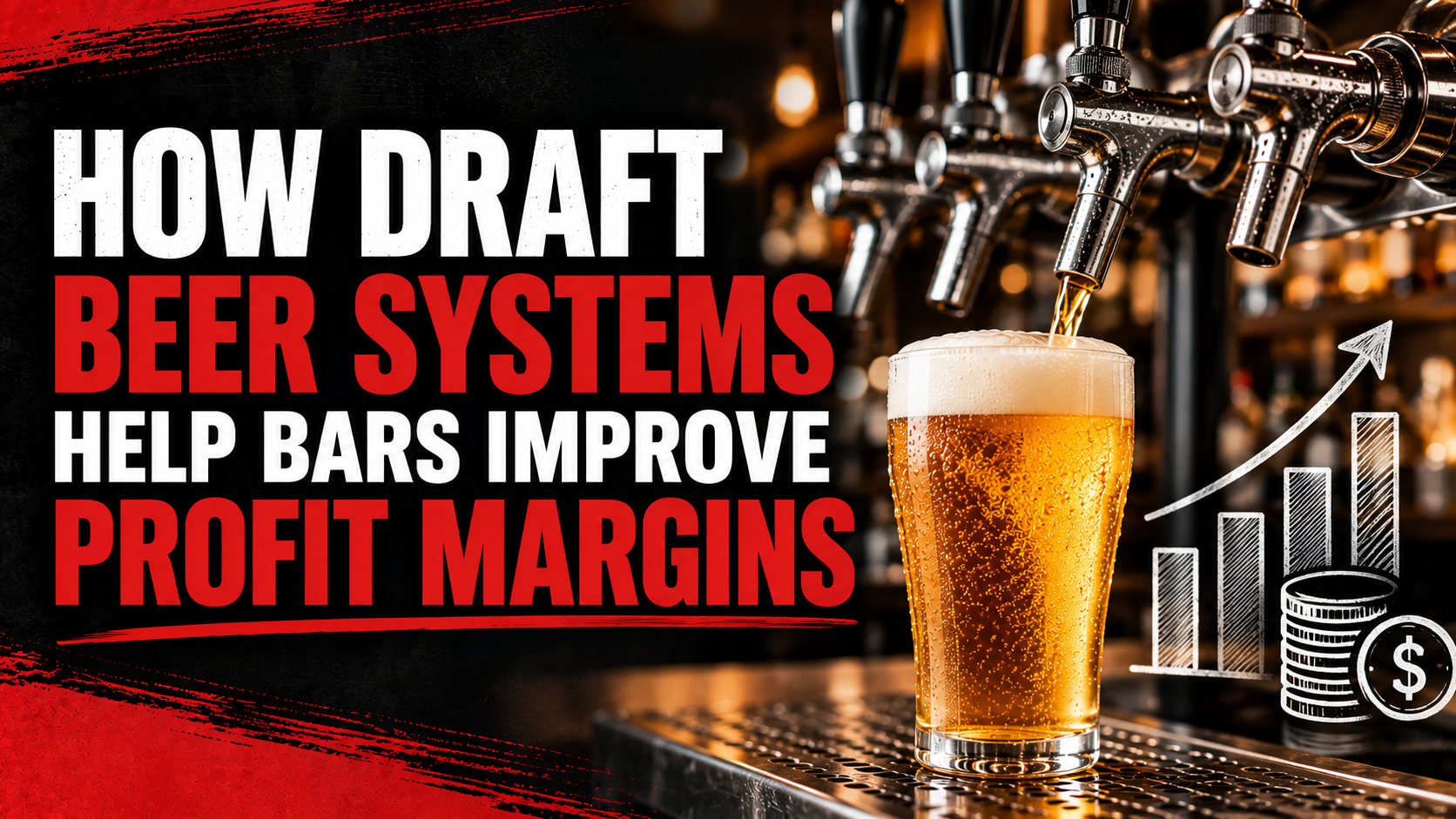
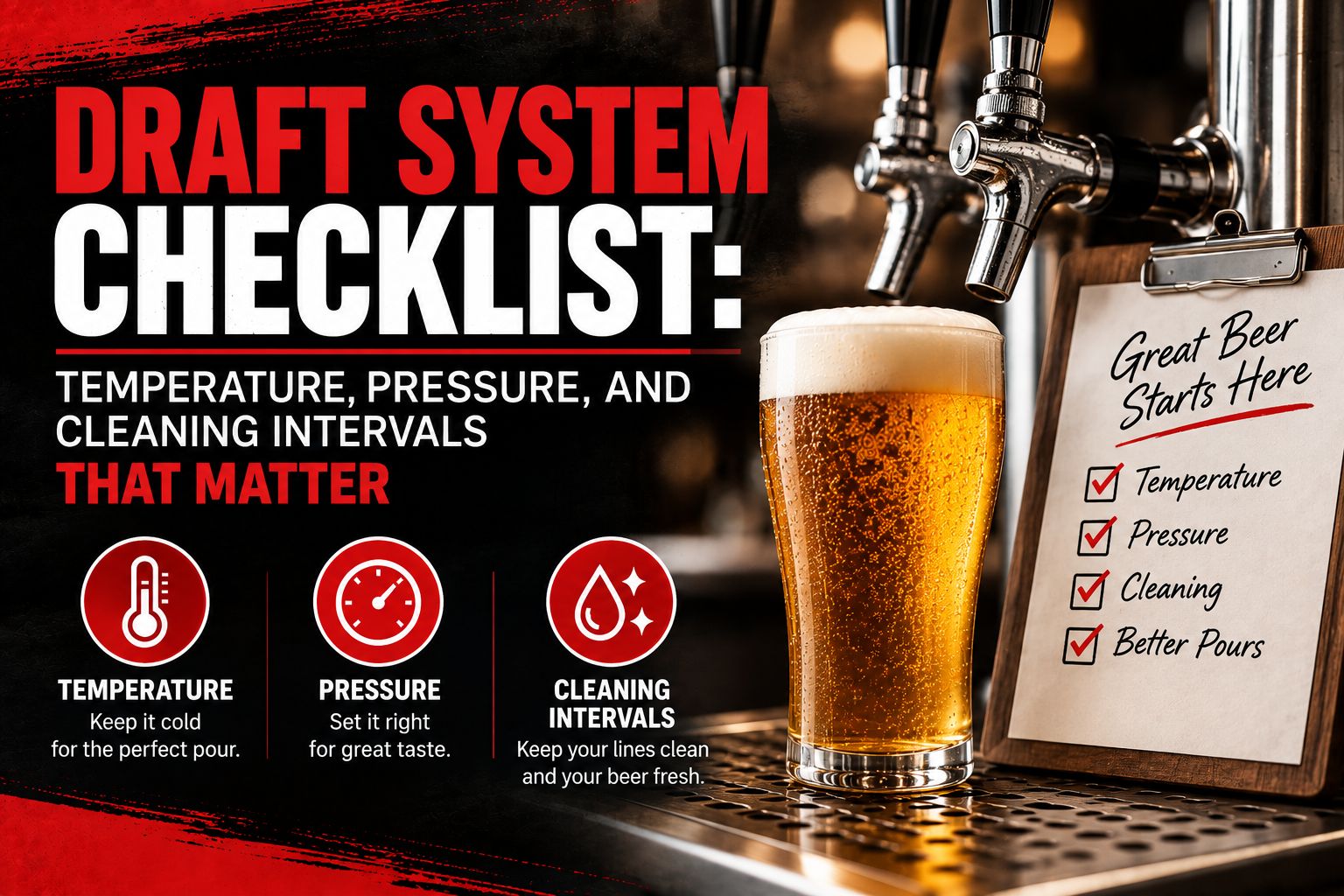
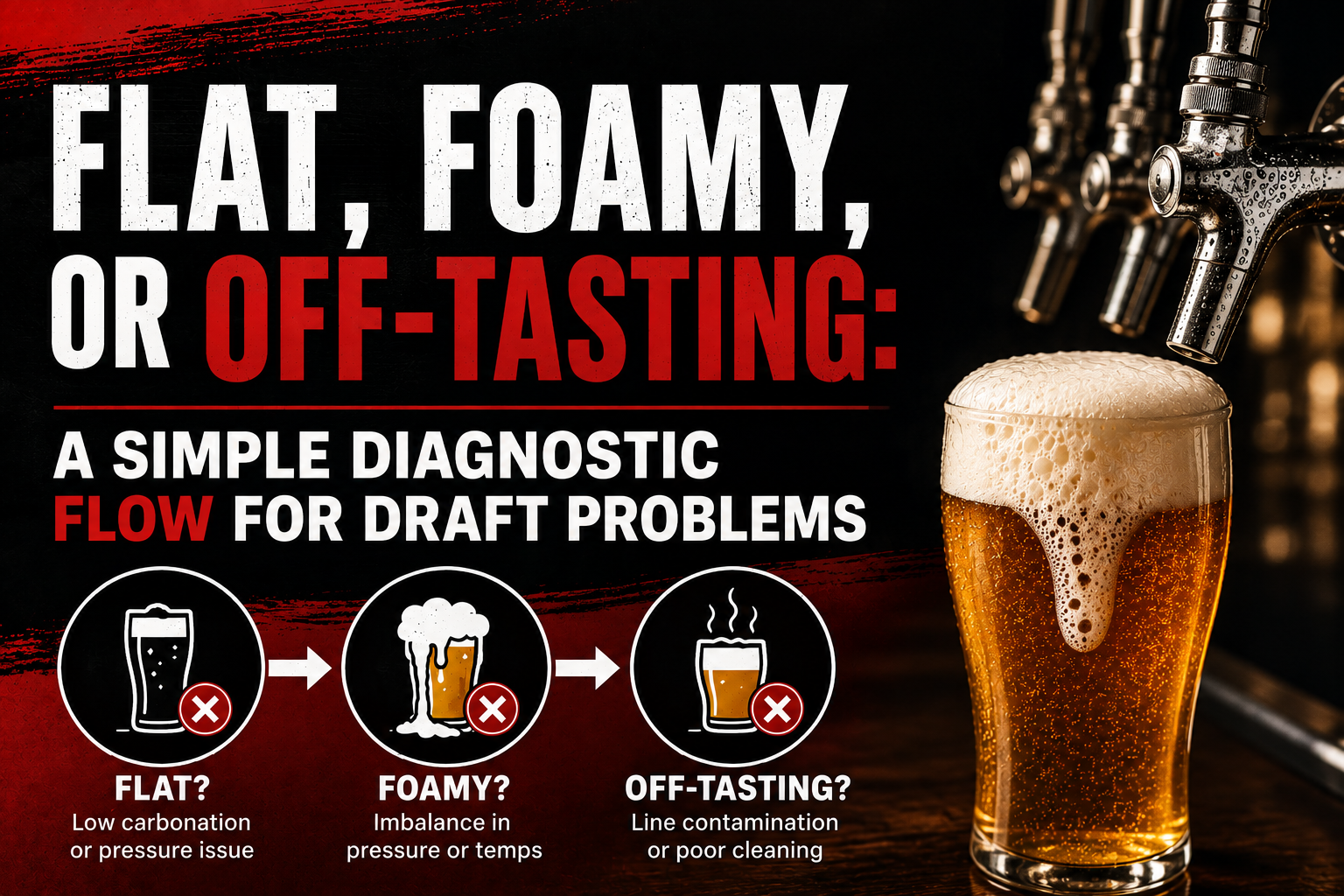
How to Choose the Right Draft Beer System for Your Bar or Restaurant


Choosing a draft beer system is a big decision for any bar, restaurant, taproom, or hospitality business. The right setup affects not only how beer tastes and pours, but also how efficiently your team can serve customers and how much product you lose over time.


A draft system is not one-size-fits-all. The right choice depends on your beverage menu, your volume, your space, and the layout of your building. If you choose the wrong system, you may end up with foamy beer, long wait times, expensive repairs, or a setup that is difficult to maintain.


Why System Choice Matters

A draft beer system is both a sales tool and an operations tool. When it is designed well, it supports fast service, consistent pours, and a better guest experience. When it is designed poorly, it creates headaches that affect staff, customers, and the bottom line.


Many business owners focus only on upfront cost, but that is only part of the picture. Installation quality, line design, cooling needs, and maintenance requirements all affect the long-term value of the system. A smart choice now can save time and money later.


Start With Your Business Type

The first step is to think about how your business actually uses draft beer. A small bar with limited tap volume has very different needs from a high-volume restaurant or a taproom with many rotating offerings.


If your business serves beer quickly and in smaller quantities, a simpler direct-draw system may be enough. If you need to run beer farther from the cooler to the taps, you may need a longer-draw system with additional cooling support. The more complex the service environment, the more important it becomes to design around real operating conditions.


Understand Direct-Draw Systems

Direct-draw systems are usually simpler and shorter in design. In this setup, the keg sits close to the tap, often in a refrigerated space or cooler. Because the distance is short, the system is often easier to install and maintain.


This type of system works well for small bars, limited menus, and businesses that want straightforward service with fewer moving parts. It can also be a cost-effective choice when space is tight. However, direct-draw systems are not ideal for every layout, especially when the tap tower is far from the keg storage area.


Understand Long-Draw Systems

Long-draw systems are used when beer must travel a longer distance from the keg to the faucet. These systems are more complex and often require glycol cooling or other temperature-control solutions to keep beer cold along the entire line.


Long-draw systems are common in larger bars, restaurants, venues, and high-volume operations. They allow more flexibility in layout because the keg room can be located away from the bar. That said, they also require more careful design, stronger maintenance, and more precise balancing to prevent foamy pours and temperature issues.


Think About Beer Volume

The amount of beer you sell should influence your setup. A business with just a few popular taps does not need the same infrastructure as a venue with constant draft movement and multiple beer styles.


High-volume operations benefit from systems that support speed, reliability, and easy keg changeouts. Lower-volume businesses may prioritize simplicity and lower equipment cost. The goal is to match the system to actual demand instead of overbuilding or underbuilding the setup.


If you expect growth, it is smart to plan for expansion early. A system that can scale with your business may save you from a costly redesign later.


Consider Space and Layout

Your physical layout is just as important as your beer list. Where is the keg storage area? How far is it from the bar? Can the lines be routed efficiently? Is there enough ventilation and access for service?


These layout questions affect more than convenience. They determine how stable the system will be and how easy it will be to repair. Tight spaces, long runs, and awkward equipment placement can increase the risk of temperature loss, line damage, and service interruptions.


A professional installer will look at the whole environment, not just the tap tower. That includes back-of-house workflow, refrigeration, line routing, and future maintenance access.


Cooling Is Critical

Temperature control is one of the most important parts of draft system design. Beer that gets too warm will foam, taste inconsistent, and lose quality before it reaches the glass.


For short systems, refrigeration around the keg may be enough. For longer runs, glycol cooling or a similar solution may be necessary. The system should be designed to maintain cold beer all the way through the line, not just at the start.


Poor cooling is one of the most common reasons draft systems underperform. If the temperature design is weak from the beginning, no amount of pressure adjustment will fully fix the problem.


Pay Attention to Line Balance

A draft system must be balanced so that beer flows at the right speed with the right pressure. If the system is not balanced correctly, customers may receive foamy beer, flat beer, or slow pours.


Line length, elevation, beer temperature, CO2 pressure, and faucet resistance all affect balance. This is why draft installation should never be treated like a basic equipment hookup. The system needs to be engineered as a whole.


Balanced systems pour more consistently, waste less beer, and reduce calls for service. For busy businesses, that consistency is a major advantage.


Choose Equipment That Fits the Job

Draft beer systems are made up of many parts, including towers, faucets, regulators, couplers, lines, and cooling components. The quality and compatibility of these parts matter.


Cheap or mismatched components can cause ongoing problems. A good system should use parts that are appropriate for your beer volume, your layout, and your service goals. In some cases, custom-built or custom-fabricated pieces may be the best way to achieve a clean, reliable setup.


If your concept has a specific design style or customer experience in mind, equipment choice also affects the look of the bar. The system should perform well and fit the brand.


Maintenance Should Be Part of the Decision

Many buyers focus only on installation and forget about what happens after opening. But every draft system needs maintenance to keep pouring properly.


You should ask how easy the system will be to clean, service, and repair. If a component fails, can it be replaced quickly? Are parts easy to access? Will the setup allow routine line cleaning without major disruption?


A system that is difficult to maintain may cost less upfront but more over time. In commercial food and beverage operations, serviceability is just as important as appearance.


When Professional Design Helps

Draft beer system design involves more than running a few lines and attaching taps. A professional installer can help match the system to your layout, traffic patterns, and service expectations.


That matters even more if you have a custom bar, a large beverage program, or multiple draft products. A well-designed system reduces risk, protects beer quality, and helps staff work more efficiently. It also creates fewer surprises after opening.


If you are planning a new build or major upgrade, getting the design right at the beginning is one of the best investments you can make.


Conclusion

The best draft beer system is the one that fits your business, your space, and your service goals. Direct-draw systems work well for simpler setups, while long-draw systems support larger and more flexible operations.


When choosing a system, consider volume, space, cooling, balance, equipment quality, and maintenance needs. A thoughtful installation creates better beer, faster service, and fewer repair problems over time.

GIVE US A CALL TODAY
Brewskis Beverage Service

AUTHOR:

Brewskis Beverage Service

Brewskis Beverage is a draft beer service company that specializes in draft system repair, installation, and custom beer tower design.

LEAVE A COMMENT:

Need Help with Draft Beer System Repair & Installation?

If you're in need of a draft beer system, be sure to check out Brewskis Beverage. We offer a wide selection of direct-draw beer systems that are perfect for any business. We also offer repair and installation services, so you can be sure your system is always up and running. Contact us today to learn more!

Blog - Request a Quote

Search Post:

RECENT POST:
July 11, 2026
Summer is when draft systems get tested the hardest. More foot traffic, hotter weather, and longer service hours can turn small issues into foam, slow pours, and wasted product fast. For Brewskis Beverage Service , this is a strong topic because it speaks directly to bars, restaurants, and venues that depend on reliable draft performance when business picks up. A solid summer prep routine helps keep beer cold, pours consistent, and staff moving efficiently. Why summer puts extra strain on draft systems Warm weather changes how a draft system behaves. Beer lines, towers, and cooling equipment all have to work harder to keep beer at the right temperature from keg to faucet. If the system is already borderline, summer crowds can expose every weakness at once. The biggest challenges usually come from heat, higher sales volume, and longer periods of continuous use. When more pints are being poured, any cooling problem, pressure imbalance, or dirty line becomes more obvious. That is why summer prep is less about fixing one issue and more about making sure the entire system is ready to handle the rush. Check temperature first Temperature control is one of the most important parts of draft performance. If beer warms up anywhere in the system, foam becomes much more likely and quality drops. In summer, even a short run of warm line can create trouble during a busy shift. Start by checking the cooler, the tower, and the lines. Make sure refrigeration is holding steady and that the system is cooling evenly. If you use a glycol setup, confirm that it is circulating properly and keeping the beer lines cold all the way to the faucet. A draft system can look fine on the outside and still have a cooling problem hiding inside. Clean the lines before the rush Dirty lines are a common source of bad pours, especially when volume increases. If beer residue, yeast, and mineral buildup are already inside the system, summer traffic will make the problem worse. Clean lines help maintain flavor, reduce foam, and protect service speed. A full cleaning before the season gets busy is a smart move. Faucets, couplers, shanks, and beer lines should all be inspected and cleaned as needed. If the system has been sitting with lighter use, now is the time to make sure it is ready for heavier demand. Inspect pressure and balance Draft systems work best when pressure and line length are properly balanced. If the system is under-pressured, beer pours slowly or flat. If it is over-pressured, beer may foam excessively and waste product. Summer can make these issues show up faster because warm conditions affect carbonation stability. Check regulators, gas lines, and keg connections before peak service starts. If you notice pour issues across more than one tap, the problem may be system-wide rather than isolated to a single faucet. A balanced system makes service easier and helps staff avoid constant adjustments during the rush. Look for leaks and worn parts Hot weather and high usage can put extra stress on fittings, seals, and connections. Even a small leak can cause pressure loss, inconsistent pours, or wasted CO2. Leaks also tend to get worse when the system is being used heavily. Inspect for drips, hissing sounds, wet spots, and worn hardware. Faucets, gaskets, couplers, and seals should all be checked before summer crowds arrive. Replacing a small part early is much better than losing beer and service time during a busy night. Make sure staff knows the basics Summer prep is not just about equipment. Staff also needs to know what to look for and how to respond when a tap starts acting up. If the team can identify foam, slow pours, strange tastes, or temperature issues early, problems get handled faster. Train staff to report issues right away instead of trying to work around them all shift. Simple habits like checking the first pour of the day, watching for leaks, and noticing changes in flavor can make a big difference. The more aware the team is, the more stable the system will be. Plan for heavier service Summer crowds usually mean more orders in less time. That puts pressure on every part of the draft system, from cooling to keg changes to tap performance. If the setup is already maxed out, it may struggle once business picks up. This is a good time to think about whether the current system still fits your volume. Some businesses may need better cooling, a line redesign, additional taps, or a more efficient setup to handle seasonal demand. If the draft system is already a pain point, summer is when those problems become expensive. Keep cooling equipment clear and accessible Draft equipment works best when it has room to breathe. If refrigeration units, chillers, or compressors are blocked, dusty, or difficult to access, they may not perform at full capacity. That can lead to temperature swings right when you need consistency most. Make sure equipment areas are clean and unobstructed. Check ventilation around cooling components and confirm that nothing is limiting airflow. A system that is easy to service is also easier to keep running well during peak season. Watch for early warning signs The best time to fix a draft issue is before guests notice it. A few warning signs can tell you the system needs attention before summer service gets heavy. Look out for: Foam on the first pour or across multiple taps. Beer that tastes flat, warm, or stale. Slow or uneven pours. Hissing, dripping, or wet fittings. Cooling equipment that runs constantly or makes unusual sounds. If any of these show up regularly, the system may need professional service before the season gets busier. Consider a professional tune-up A pre-summer inspection can save a lot of frustration later. A professional technician can check balance, cooling, pressure, cleanliness, and hidden wear points that are easy to miss. That kind of tune-up helps identify small issues before they become service problems. For businesses that depend on draft beer sales, this is often money well spent. The goal is not just to avoid breakdowns. It is to keep pours consistent, reduce waste, and make sure the system can handle the increase in demand. Preparing your draft system for summer crowds is really about protecting performance before pressure builds. Temperature, cleanliness, balance, leak prevention, and staff awareness all matter when the weather gets hot and the taps get busy. A system that is cleaned, checked, and tuned up in advance will serve beer more consistently and reduce the chance of problems during peak season. For Brewskis, this kind of content fits perfectly because it shows real-world expertise while speaking to the exact challenges bars and restaurants face in summer.
July 3, 2026
For bars and restaurants throughout California, serving fresh, high-quality draft beer is essential for maintaining customer satisfaction and protecting your business reputation. But even the best beer brands can taste terrible if the draft system is not properly maintained. One of the most important yet overlooked aspects of draft beer maintenance is regular beer line cleaning. Dirty beer lines can affect: Flavor quality Beer freshness Pour consistency Customer satisfaction Equipment performance Health and sanitation standards Unfortunately, many businesses wait until customers begin complaining before addressing the problem. Brewski’s Beverage Services helps bars, breweries, restaurants, and commercial establishments throughout Southern California maintain clean, high-performing draft beer systems through professional cleaning, repair, and preventative maintenance services. Why Beer Line Cleaning Matters Beer travels through multiple components before reaching the customer’s glass. Over time, beer lines naturally collect: Yeast Mold Bacteria Sugar residue Mineral buildup Beer stone deposits Without regular cleaning, these contaminants begin affecting both taste and system performance. Even small amounts of buildup can dramatically change the flavor profile of beer. Customers may notice: Sour flavors Bitter aftertaste Strange odors Flat carbonation Cloudy appearance For craft breweries and premium beer establishments, poor draft quality can damage customer trust very quickly. Dirty Beer Lines Hurt Customer Experience California customers have high expectations when it comes to food and beverage quality. A single bad beer experience can lead to: Negative online reviews Reduced repeat business Customer complaints Damaged brand reputation Many customers assume the beer itself is poor quality when the real issue is an unclean draft system. Regular line cleaning helps ensure every pour tastes exactly the way the brewer intended. Beer Line Cleaning Helps Reduce Foam Problems Foamy beer is one of the most common complaints in bars and restaurants. While several issues can contribute to foam, dirty beer lines are often a major cause. Buildup inside the lines disrupts proper beer flow and carbonation, leading to: Excessive foam Overflowing glasses Product waste Slower service This not only frustrates customers but also increases operational costs due to wasted beer. Professional cleaning helps restore proper flow and improve pour consistency. Dirty Lines Can Create Health and Sanitation Risks Beer line contamination is not just a taste issue. It can also become a sanitation concern. Mold and bacteria growth inside draft systems may create unhealthy conditions if left untreated for extended periods. Routine professional cleaning helps businesses maintain: Cleaner dispensing systems Better sanitation standards Safer beverage handling Improved compliance with industry standards For bars and restaurants operating in highly regulated California hospitality environments, cleanliness matters. Regular Cleaning Helps Protect Equipment Dirty systems force equipment to work harder. Over time, buildup can strain: Pumps Faucets Couplers Glycol systems Refrigeration components This often leads to: Equipment wear Pressure imbalances Reduced efficiency Expensive repairs Preventative maintenance and line cleaning help extend the lifespan of your draft beer equipment while reducing long-term maintenance costs. How Often Should Beer Lines Be Cleaned? Most commercial draft systems should be professionally cleaned every two weeks. High-volume establishments may require more frequent service depending on: Beer volume Beverage type System complexity Environmental conditions Regular inspections also help identify hidden issues before they become costly repairs. Brewski’s Beverage offers ongoing preventative maintenance programs designed to help businesses maintain clean, efficient draft systems year-round. Signs Your Beer Lines Need Immediate Cleaning If your business experiences any of the following problems, your beer lines may need service: Sour or unusual beer taste Excessive foam Slow pours Cloudy beer Unpleasant odors Flat carbonation Visible residue around taps Ignoring these signs can eventually lead to larger system problems and customer complaints. Why Professional Beer Line Cleaning Matters While some businesses attempt DIY cleaning, professional service provides a more thorough and reliable solution. Professional technicians understand how to: Properly clean long-draw systems Inspect pressure balance Check glycol performance Identify equipment wear Prevent contamination build-up Brewski’s Beverage uses professional cleaning methods designed specifically for commercial draft systems. Their technicians also inspect the overall system during service visits to help businesses avoid future operational problems. Why California Businesses Choose Brewskis Beverage Based in Santa Ana, Brewskis Beverage has more than 25 years of experience serving: Bars Breweries Restaurants Hotels Event venues Commercial beverage operations Their services include: Beer line cleaning Draft system repair Draft system installation Glycol chiller maintenance Preventative maintenance Custom beer tower fabrication The company services businesses throughout Southern California, including: Orange County Los Angeles County Riverside County San Diego County Beer quality starts long before the customer takes the first sip. Regular beer line cleaning helps California bars and restaurants: Maintain fresh beer flavor Reduce foam issues Improve customer experience Protect equipment Reduce waste Prevent costly repairs For hospitality businesses that rely on draft beer sales, professional maintenance is not optional. It is essential. Need Professional Beer Line Cleaning in Southern California? Brewski’s Beverage Services provides professional draft beer system cleaning, repair, installation, and preventative maintenance services throughout California.
June 26, 2026
For bars and restaurants throughout California, serving fresh, high-quality draft beer is essential for maintaining customer satisfaction and protecting your business reputation. But even the best beer brands can taste terrible if the draft system is not properly maintained. One of the most important yet overlooked aspects of draft beer maintenance is regular beer line cleaning. Dirty beer lines can affect: Flavor quality Beer freshness Pour consistency Customer satisfaction Equipment performance Health and sanitation standards Unfortunately, many businesses wait until customers begin complaining before addressing the problem. Brewski’s Beverage Services helps bars, breweries, restaurants, and commercial establishments throughout Southern California maintain clean, high-performing draft beer systems through professional cleaning, repair, and preventative maintenance services. Why Beer Line Cleaning Matters Beer travels through multiple components before reaching the customer’s glass. Over time, beer lines naturally collect: Yeast Mold Bacteria Sugar residue Mineral buildup Beer stone deposits Without regular cleaning, these contaminants begin affecting both taste and system performance. Even small amounts of buildup can dramatically change the flavor profile of beer. Customers may notice: Sour flavors Bitter aftertaste Strange odors Flat carbonation Cloudy appearance For craft breweries and premium beer establishments, poor draft quality can damage customer trust very quickly. Dirty Beer Lines Hurt Customer Experience California customers have high expectations when it comes to food and beverage quality. A single bad beer experience can lead to: Negative online reviews Reduced repeat business Customer complaints Damaged brand reputation Many customers assume the beer itself is poor quality when the real issue is an unclean draft system. Regular line cleaning helps ensure every pour tastes exactly the way the brewer intended. Beer Line Cleaning Helps Reduce Foam Problems Foamy beer is one of the most common complaints in bars and restaurants. While several issues can contribute to foam, dirty beer lines are often a major cause. Buildup inside the lines disrupts proper beer flow and carbonation, leading to: Excessive foam Overflowing glasses Product waste Slower service This not only frustrates customers but also increases operational costs due to wasted beer. Professional cleaning helps restore proper flow and improve pour consistency. Dirty Lines Can Create Health and Sanitation Risks Beer line contamination is not just a taste issue. It can also become a sanitation concern. Mold and bacteria growth inside draft systems may create unhealthy conditions if left untreated for extended periods. Routine professional cleaning helps businesses maintain: Cleaner dispensing systems Better sanitation standards Safer beverage handling Improved compliance with industry standards For bars and restaurants operating in highly regulated California hospitality environments, cleanliness matters. Regular Cleaning Helps Protect Equipment Dirty systems force equipment to work harder. Over time, buildup can strain: Pumps Faucets Couplers Glycol systems Refrigeration components This often leads to: Equipment wear Pressure imbalances Reduced efficiency Expensive repairs Preventative maintenance and line cleaning help extend the lifespan of your draft beer equipment while reducing long-term maintenance costs. How Often Should Beer Lines Be Cleaned? Most commercial draft systems should be professionally cleaned every two weeks. High-volume establishments may require more frequent service depending on: Beer volume Beverage type System complexity Environmental conditions Regular inspections also help identify hidden issues before they become costly repairs. Brewski’s Beverage offers ongoing preventative maintenance programs designed to help businesses maintain clean, efficient draft systems year-round. Signs Your Beer Lines Need Immediate Cleaning If your business experiences any of the following problems, your beer lines may need service: Sour or unusual beer taste Excessive foam Slow pours Cloudy beer Unpleasant odors Flat carbonation Visible residue around taps Ignoring these signs can eventually lead to larger system problems and customer complaints. Why Professional Beer Line Cleaning Matters While some businesses attempt DIY cleaning, professional service provides a more thorough and reliable solution. Professional technicians understand how to: Properly clean long-draw systems Inspect pressure balance Check glycol performance Identify equipment wear Prevent contamination build-up Brewski’s Beverage uses professional cleaning methods designed specifically for commercial draft systems. Their technicians also inspect the overall system during service visits to help businesses avoid future operational problems. Why California Businesses Choose Brewskis Beverage Based in Santa Ana, Brewskis Beverage has more than 25 years of experience serving: Bars Breweries Restaurants Hotels Event venues Commercial beverage operations Their services include: Beer line cleaning Draft system repair Draft system installation Glycol chiller maintenance Preventative maintenance Custom beer tower fabrication The company services businesses throughout Southern California, including: Orange County Los Angeles County Riverside County San Diego County Beer quality starts long before the customer takes the first sip. Regular beer line cleaning helps California bars and restaurants: Maintain fresh beer flavor Reduce foam issues Improve customer experience Protect equipment Reduce waste Prevent costly repairs For hospitality businesses that rely on draft beer sales, professional maintenance is not optional. It is essential. Need Professional Beer Line Cleaning in Southern California? Brewski’s Beverage Services provides professional draft beer system cleaning, repair, installation, and preventative maintenance services throughout California.
June 19, 2026
In California’s competitive restaurant and hospitality industry, customer experience matters more than ever. From the atmosphere and service to the quality of every drink served, every detail impacts whether customers return or choose another establishment next time. For bars, breweries, restaurants, taprooms, and entertainment venues, one of the most overlooked parts of that customer experience is the draft beer system itself. A professionally installed draft beer system does much more than simply dispense beer. It directly affects beverage quality, operational efficiency, beer waste, maintenance costs, and long-term profitability. Unfortunately, many businesses underestimate the importance of proper system design and installation until problems begin appearing. Brewski’s Beverage Services has been helping California businesses design, install, repair, and maintain commercial draft beer systems for more than 25 years. Based in Santa Ana, the company specializes in customized beverage dispensing systems for bars, breweries, restaurants, hotels, stadiums, and commercial establishments throughout Southern California. Why Draft Beer System Installation Matters Many people assume all draft beer systems work the same way. In reality, a commercial draft system is a carefully balanced network involving: Beer lines CO2 systems Glycol chillers Refrigeration Beer towers Pressure regulation Temperature control Keg storage Faucet systems If even one component is installed incorrectly, businesses may experience: Excessive foam Flat beer Warm pours Product waste Uneven pressure Slow service Equipment breakdowns Professional installation helps ensure every component works together properly from the start. Better Beer Quality Starts With Proper Installation Customers expect consistency. Whether someone orders a craft IPA, lager, stout, or imported beer, they expect it to taste fresh and pour correctly every time. Poor installation can compromise: Beer temperature Carbonation levels Flavor integrity Pour consistency Improper line lengths, incorrect pressure balancing, and poor insulation often lead to beer quality issues that affect customer satisfaction. Professional technicians understand how to properly configure systems based on: Beverage type Distance between keg and tap Volume demands Building layout Cooling requirements Brewski’s Beverage designs systems specifically around each client’s operational needs, helping businesses maintain optimal beverage quality while reducing waste and service issues. Professional Installation Reduces Beer Waste Beer waste is one of the biggest hidden expenses for bars and restaurants. Improperly installed systems commonly cause: Foamy pours Overflowing glasses Product loss Excess spillage Inconsistent dispensing Over time, even small amounts of waste can significantly reduce profits. For high-volume California establishments, wasted beer can quickly become a major operational expense. Professional installation ensures: Proper pressure balancing Correct line sizing Stable temperature control Efficient keg-to-faucet flow This helps maximize keg yield while minimizing unnecessary product loss. Faster Service Improves Customer Experience Slow pours create operational problems during busy service hours. When bartenders constantly fight with draft systems, service slows down, customers become frustrated, and staff efficiency decreases. A professionally installed system helps ensure: Consistent pour speeds Reliable pressure Easy operation Reduced interruptions during peak hours This becomes especially important for: Sports bars Breweries High-volume restaurants Entertainment venues Event spaces California businesses operating in fast-paced hospitality environments need systems that can handle consistent demand without performance issues. Glycol Cooling Systems Are Critical for Long Draw Systems Many California establishments require long draw draft systems where beer travels long distances from keg storage to dispensing towers. Without proper cooling, beer temperatures rise quickly, leading to: Excess foam Flat carbonation Poor taste Inconsistent pours That is why glycol cooling systems are essential for maintaining stable beer temperatures throughout the entire dispensing process. Brewski’s Beverage specializes in glycol system installation and maintenance, helping bars and restaurants maintain cold, high-quality pours even in warm Southern California environments. Custom Beer Towers Improve Branding and Presentation Modern bars and breweries are increasingly using custom beer towers as part of their customer experience and branding strategy. Custom towers offer: Improved visual appeal Better functionality Enhanced customer engagement Stronger brand identity Professionally fabricated towers can be customized based on: Number of taps Beverage type Brand aesthetics Space layout Operational needs Brewski’s Beverage also provides custom beer tower fabrication solutions designed specifically for commercial hospitality environments. Professional Installation Helps Prevent Future Repairs One of the biggest advantages of proper installation is long-term reliability. Improperly installed systems often experience: Premature equipment wear Pressure fluctuations Frozen lines Refrigeration strain Frequent breakdowns These issues usually lead to expensive emergency repairs and operational downtime. Professional installation helps businesses avoid many of these preventable problems by ensuring systems are: Properly calibrated Correctly insulated Accurately balanced Professionally tested Why California Businesses Trust Brewskis Beverage Based in Santa Ana, California, Brewskis Beverage has decades of experience serving: Bars Restaurants Breweries Hotels Entertainment venues Stadiums Commercial hospitality businesses Their services include: Draft beer system installation Draft system repair Preventative maintenance Beer line cleaning Glycol chiller service Custom tower fabrication The company serves businesses throughout: Orange County Los Angeles County Riverside County San Diego County Their experience allows them to design systems tailored specifically to each business’s operational needs and customer volume. A draft beer system is not simply equipment. It is a critical part of your business operations and customer experience. Professional installation helps businesses: Improve beverage quality Reduce waste Increase efficiency Prevent costly repairs Enhance customer satisfaction Improve long-term profitability For California bars, breweries, and restaurants, investing in professional draft system installation is one of the smartest operational decisions you can make. Need Professional Draft Beer System Installation in California? Brewski’s Beverage Services provides expert draft beer system installation, repair, glycol chiller service, and preventative maintenance throughout Southern California.
June 5, 2026
For bars and restaurants in California, draft beer service is a major part of the customer experience. But when your draft beer system starts malfunctioning, the effects can quickly impact your reputation, operations, and profits. Unfortunately, many business owners ignore small warning signs until the problem becomes a costly emergency. From excessive foam to inconsistent pours, draft system problems rarely fix themselves. In fact, delaying repairs often leads to bigger equipment failures, wasted inventory, and unhappy customers. Brewski’s Beverage Services specializes in draft beer system repair and installation throughout Southern California, helping bars, breweries, and restaurants keep their systems operating efficiently. Here are seven signs your California business may need immediate draft beer system repair. 1. Your Beer Is Pouring Excess Foam Foamy beer is one of the most common signs of a draft system problem. While occasional foam may seem harmless, persistent foaming usually indicates deeper issues such as: Incorrect pressure settings Dirty beer lines Warm beer temperatures Glycol system failure Improper line balancing Faulty couplers Foamy pours waste beer, slow down service, and frustrate customers. If bartenders constantly struggle to pour a clean pint, it is time to call a professional technician. 2. Beer Taste Has Changed Customers notice bad beer quickly. If your beer suddenly tastes: Sour Metallic Bitter Flat Stale …your system may need immediate cleaning or repair. Dirty beer lines can accumulate bacteria, yeast buildup, and residue that affect flavor quality. Regular maintenance is critical to preserving the intended taste of every beer you serve. Brewskis Beverage offers professional beer line cleaning and maintenance services to help businesses maintain high beverage quality standards. 3. Your Glycol Chiller Is Making Strange Noises The glycol chiller is one of the most important components of a long-draw draft system. If you hear: Loud humming Clicking Vibrating Constant cycling Unusual motor noises …it may indicate: Low glycol levels Compressor problems Pump failure Cooling inefficiency Ignoring glycol issues can eventually lead to warm beer and full system shutdown. 4. Your Beer Is Pouring Warm Temperature inconsistencies are a major red flag. Draft beer should be served at consistent temperatures to maintain carbonation, taste, and quality. Warm beer can result from: Faulty glycol systems Broken tower cooling Damaged insulation Refrigeration issues Poor installation In California’s warmer climate, maintaining proper cooling is especially important for bars and restaurants with high customer volume. 5. You Notice Leaks Around the System Leaks should never be ignored. Even small leaks can signal: Damaged fittings Worn seals Cracked lines Pressure issues Failing equipment Leaks not only waste product but can also create sanitation and safety concerns inside your establishment. Professional technicians can quickly identify the source before it becomes a more expensive repair. 6. Beer Pours Are Slow or Inconsistent If your draft system suddenly becomes slow, inconsistent, or difficult to operate, there may be: Clogged beer lines Pressure imbalances Frozen lines Regulator issues Mechanical component failure Slow pours hurt operational efficiency, especially during busy weekends or sporting events when speed matters most. 7. Your System Has Not Been Professionally Maintained in Months One of the biggest mistakes businesses make is waiting too long between maintenance appointments. Even if your system appears to be working normally, hidden issues can develop over time. Routine inspections help technicians: Catch small problems early Improve beer quality Prevent emergency repairs Extend equipment lifespan Reduce long-term operating costs Brewskis Beverage recommends ongoing preventative maintenance to keep systems operating properly year-round. Why Fast Repairs Matter in California’s Hospitality Industry California’s restaurant and bar industry is highly competitive. Customers have endless options, and poor beverage quality can quickly lead to: Negative reviews Lost repeat customers Slower sales Damaged reputation A malfunctioning draft beer system also affects: Staff efficiency Beverage waste Profit margins Overall customer experience Fast professional repairs help businesses avoid unnecessary downtime and revenue loss. Why Businesses Choose Brewskis Beverage Based in Santa Ana, Brewskis Beverage has more than 25 years of experience serving bars, breweries, restaurants, and commercial establishments throughout Southern California. Their services include: Draft beer system installation Draft system repair Beer line cleaning Glycol chiller service Custom beer tower fabrication Preventative maintenance Commercial beverage system support The company services Orange County, Los Angeles County, Riverside County, and San Diego County, while also handling larger nationwide commercial projects. Your draft beer system directly affects beverage quality, operational efficiency, and customer satisfaction. If your bar or restaurant experiences: Foamy pours Warm beer Leaks Bad taste Slow dispensing Glycol issues …it is best to address the problem early before it becomes more expensive. Need Draft Beer System Repair in Southern California? Brewski’s Beverage Services provides professional draft beer system repair, installation, and maintenance services for bars, breweries, and restaurants across California.
May 29, 2026
Dirty lines kill beer quality. Wrong cleaning chemicals make it worse. Commercial draft demands precise chemistry. Alkaline removes organics, acid dissolves minerals, sanitizers kill bacteria. Sequence matters. Alkaline Cleaners Fundamentals Purpose: Dissolves yeast, protein, sugar residue. Common types: PBW (Powdered Brewery Wash) B-Brite Liquid alkaline (2-3% solution) Mix ratio: 1-2 oz/gallon hot water (120-140°F). Contact time: 15-20 minutes recirculation. Alkaline handles 90% organic buildup. First step always. Acid Cleaners Fundamentals Purpose: Removes beerstone (calcium oxalate deposits). Common types: Phosphoric/nitric blend Sulfamic acid Liquid acid cleaners Mix ratio: 0.5-1 oz/gallon (90-110°F). Contact time: 10-15 minutes. Critical: Always follow alkaline. Acids alone miss organics. Sanitizers for Final Rinse Purpose: Kills remaining bacteria post-cleaning. Common types: Iodophor (12.5 ppm) Peracetic acid Quaternary ammonia No-rinse advantage: Air dry, no flush needed. Test strips essential: Confirm sanitizer strength. Cleaning Chemical Sequence Standard weekly protocol: Flush beer forward (clear lines) Alkaline recirculation (20 min, 130°F) Fresh water flush (3x line volume) Acid recirculation (15 min, 100°F) Fresh water flush (3x volume) Sanitizer soak (2 min) Final water flush Bi-weekly: Skip acid step. Mixing and Safety Protocols Personal protective equipment: Chemical-resistant gloves Face shield/goggles Apron Closed-toe shoes Mixing rules: Always add chemical TO water Never water TO chemical Use dedicated mixing bucket Label all solutions Storage: Cool, dry, away from beer lines. Commercial vs Homebrew Chemicals Commercial needs: NSF-approved (health code) High-volume formulas Pump-compatible Digital logging compatible Avoid: Hardware store cleaners damage vinyl lines. pH Testing and Validation Target readings: Alkaline solution: pH 11-12 Post-alkaline rinse: pH 7-8 Acid solution: pH 2.5-3.5 Post-final rinse: pH 6-8 ATP swabs: Measure biological cleanliness. Health inspectors verify logs + test strips. Common Chemical Mistakes Wrong temperature: Alkaline below 120°F fails; acid above 120°F damages lines. Wrong sequence: Acid before alkaline spreads bacteria. Over-concentration: Damages vinyl, fittings. No-rinse sanitizer failure: Weak solution = bacteria survives. Equipment for Professional Cleaning Essentials: Recirculation pump (3 GPM) Stainless tank (15+ gallon) Inline filters Flow meters pH meter Brewskis mobile units: Self-contained, bar stays open. Health Code Documentation Required logs: Date/time technician Chemical concentrations Temperature logs pH readings Test strip photos Digital apps timestamp everything. 2-year retention minimum. Brewskis Professional Cleaning Service Certified technicians use pharmaceutical-grade chemicals. What we deliver: NSF-approved protocols Digital health logs Same-day emergency service Staff training included
May 22, 2026
Custom draft towers define premium bars. Beyond function, they showcase brand while delivering flawless pours. Bars upgrade towers for expansion, aesthetics, or performance. Off-the-shelf units limit tap count and style. Custom towers fit exact space while supporting growth. Tower Design Fundamentals Key decisions: Tap count (4-24 typical) Height (12-48 inches from bar) Diameter (3-inch standard) Material (stainless, brass, black iron) Shanks (forward vs rear-mount) Match tower to volume. Sports bars need 20 taps; cocktail bars thrive on 6 designer faucets. Stainless Steel vs Brass Towers Stainless advantages: Corrosion resistant Dishwasher safe faucets Modern aesthetic Temperature stable Brass advantages: Classic pub look Warms slower (less sweating) Premium visual weight Patina develops Most new installs choose stainless for durability. Brass suits heritage venues. Forward Seal vs Rear-Mount Shanks Forward seal shanks: Faucet seals against tower Cleanest pour angle Easier service access Higher cost Rear-mount shanks: Traditional through-wall Cheaper install Exposed lines visible More leak points Forward seal dominates new construction. Rear-mount fits retrofits. Custom Features for High-Performance Performance upgrades: Insulated shanks (no sweating) Integrated LED lighting Temp sensors per shank Quick-disconnect manifolds Custom laser etching Aesthetic touches: Powder-coated finishes Perforated designs Wood/stone accents Brand logos milled Sizing for Your Space Volume guidelines: 100 kegs/month = 8-12 taps 300 kegs/month = 16-20 taps 500+ kegs/month = 24+ taps Height formula: Bar height + 5 inches reach + 2 inches faucet clearance. Measure cooler-to-bar distance for glycol runs. Oversized towers strain cooling capacity. Installation Best Practices Prep work: Core exact shank holes Verify cooler line routing Pre-insulate shanks Test fit before final mount Plumbing sequence: Mount tower securely Route beer/glycol lines Install shanks + seals Connect manifolds Pressure test 24 hours Staff training: Faucet removal, cleaning, reassembly. Common Installation Mistakes Tower too high/low: Staff strain or customers spill. Undersized cooling: Foam city during rush. Poor insulation: Condensation everywhere. Wrong shank count: Future expansion blocked. Professional installers mock up placement first. Saves thousands in rework. Maintenance Schedule by Component Daily: Faucet wipe down Visual leak check Temp feel test Weekly: Faucet disassembly Shank O-ring check Flow test all taps Monthly: Full disassembly Seal replacement Manifold inspection Quarterly: Tower removal + deep clean Shank rebuild Anchor bolt torque  Troubleshooting Tower-Specific Issues Sweating towers: Add shank insulation, boost glycol. Slow interior taps: Check manifold balance. Leaking shanks: Replace forward seals. Faucet sticking: Rebuild handle assembly. Tower problems cascade to entire system. Isolate before chasing line issues. Custom Tower ROI Premium towers pay through: Faster pours (15% service boost) Premium pricing ($1/pint premium) Brand differentiation Less waste (proper temp control) $5k investment returns 6 figures annually for high-volume bars. Brewskis Custom Fabrication Brewskis builds towers matching your exact specs. Stainless, brass, hybrid, any design. Complete service: Design consultation Custom fabrication Expert installation Ongoing maintenance
Follow Brewskis Beverage Service on Facebook!

FOLLOW US ON FACEBOOK!

We would love to hear from you. Follow us on facebook to stay up to date with our latest posts and deals!