Glycol Cooling for Outdoor Taps at Long Beach and Los Angeles Beach Bars


Beach bars across Long Beach and Los Angeles rely heavily on outdoor service areas. Guests expect cold beer, fast pours, and consistent quality, especially in busy coastal locations where foot traffic stays high throughout the year.


Outdoor taps create a unique challenge. Unlike indoor systems, outdoor lines are exposed to heat, humidity, and coastal air. Without proper glycol cooling, beer temperature becomes unstable and foam issues increase.


Many coastal bar owners work with Brewskis Beverage Service to design outdoor draft systems that can handle high traffic and coastal weather conditions. A properly installed glycol cooling system helps maintain consistent beer quality even during peak service hours.


Why Glycol Cooling Is Critical for Outdoor Beer Taps

Outdoor taps rely on glycol cooling to maintain beer temperature from keg to faucet. This is especially important in coastal cities where temperatures can rise quickly throughout the day.


Understanding How Glycol Cooling Works

A glycol cooling system circulates chilled glycol solution through insulated trunk lines. This process keeps beer lines cold as they travel from the keg cooler to the outdoor tap.


Without glycol cooling:

  • Beer warms inside the lines
  • Foam increases at the tap
  • Pour times slow down
  • Product waste increases


These issues are common in outdoor environments, particularly during warm afternoons in beachside districts.


Coastal Weather Creates Unique Draft System Challenges

Beachfront locations in Santa Monica, Venice Beach, and Redondo Beach face environmental conditions that affect draft system performance.


Heat Exposure Increases Foam Problems

Outdoor tap towers exposed to direct sunlight absorb heat throughout the day. Even short periods of sun exposure can warm beer lines enough to create pouring problems.


Heat-related issues include:

  • Excess foam during first pours
  • Inconsistent carbonation
  • Increased product loss
  • Slower service during peak hours


Proper insulation and glycol cooling help reduce these problems.


Humidity and Salt Air Impact Equipment Performance

Coastal air contains salt particles that accelerate wear on metal components. Over time, corrosion can impact fittings, regulators, and tower components.


Routine inspections and maintenance reduce long-term damage and extend equipment lifespan.

This is one reason many beach bar operators rely on professional maintenance programs to protect their systems from coastal exposure.


Long Draw Systems Are Common in Beach Bar Layouts

Outdoor bars are often located far from the main keg storage area. This distance requires long draw draft systems that maintain temperature consistency over extended runs.


What Makes Long Draw Systems Necessary

Many beach bars have:

  • Indoor keg storage
  • Outdoor tap towers
  • Rooftop service areas
  • Patio bar stations


These layouts require insulated trunk lines that maintain beer temperature during travel.

Without properly designed long draw systems, beer warms before reaching the faucet.


Planning Glycol Capacity for Busy Beach Locations

Beach bars experience heavy traffic during evenings, weekends, and seasonal events. Draft systems must handle peak demand without losing performance.


Why Glycol Systems Must Be Properly Sized

Each additional tap increases cooling demand. If glycol capacity is too small, temperature fluctuations occur.


Common results include:

  • Foam-heavy pours
  • Warm beer
  • Increased downtime
  • Higher maintenance needs


Bars throughout Long Beach and surrounding coastal communities often schedule capacity evaluations with Brewskis Beverage Service to ensure glycol systems can support future growth.


Outdoor Tap Tower Cooling Considerations

Tap towers are one of the most vulnerable parts of outdoor draft systems. Exposure to heat can quickly impact beer temperature at the faucet.


Keeping Towers Cold and Functional

Effective tower cooling includes:

  • Insulated tower sleeves
  • Continuous glycol circulation
  • Proper trunk line insulation
  • Balanced system pressure


When tower cooling is neglected, beer sitting inside the faucet warms quickly, causing the first pour to foam excessively.


Insulation Is the Backbone of Outdoor Draft Performance

Even the most powerful glycol system cannot perform properly without adequate insulation.


Types of Insulation Used in Outdoor Systems

Outdoor trunk lines typically include:

  • Foam insulation
  • Protective outer jackets
  • Vapor barriers
  • Moisture-resistant coverings


These materials protect beer lines from environmental heat and humidity.

Poor insulation leads to heat infiltration, which affects beer temperature stability.


Managing High Traffic Volume at Beach Bars

Beach bars often serve large crowds within short periods. During busy weekends or special events, draft systems must handle continuous use.


How High Volume Impacts Draft Systems

Heavy usage increases demand on:

  • Glycol circulation
  • Pressure regulation
  • Line balance
  • Cooling efficiency


If systems are not built to handle volume, service slows down and customer satisfaction drops.

Reliable system design helps prevent service disruptions during high-volume periods.


Common Outdoor Draft System Problems in Coastal Areas

Outdoor draft systems require careful design and maintenance to avoid performance issues.


Foam Problems During Peak Heat Hours

One of the most common complaints from outdoor bars is foam buildup during hot afternoons.


This usually occurs when:

  • Glycol capacity is insufficient
  • Lines are poorly insulated
  • Towers are exposed to sunlight
  • Cooling systems are undersized


Addressing these problems early reduces product waste and improves service speed.


Uneven Temperature Between Taps

When cooling distribution is inconsistent, some taps may pour colder than others.


This creates:

  • Uneven beer quality
  • Inconsistent customer experience
  • Increased staff frustration


Proper balancing ensures uniform temperature across all lines.


Preventative Maintenance Keeps Outdoor Systems Reliable

Outdoor systems require more frequent maintenance than indoor setups due to environmental exposure.


Routine maintenance should include:

  • Glycol level checks
  • Pressure inspections
  • Component cleaning
  • Tower inspections


Regular servicing reduces unexpected breakdowns and extends equipment life.

Many beach bars across Los Angeles depend on Brewskis Beverage Service for routine maintenance and inspections that keep outdoor draft systems operating smoothly throughout the year.


Designing Outdoor Draft Systems for Expansion

Beach bars often expand seating areas to accommodate growing customer demand. Adding outdoor service areas requires careful planning.


Planning for Additional Taps

When expanding outdoor service, draft systems must support:

  • Increased line length
  • Additional taps
  • Higher cooling demand
  • Extended service hours


Planning expansion early prevents performance issues later.


Protecting Beer Quality in Outdoor Environments

Beer quality depends heavily on temperature control. Even slight temperature changes affect carbonation and flavor.


Maintaining Consistent Serving Conditions

Outdoor glycol systems help maintain:

  • Proper serving temperature
  • Consistent carbonation
  • Smooth pour performance
  • Reduced waste


Serving beer at the correct temperature improves customer satisfaction and protects your brand reputation.


Energy Efficiency Considerations for Outdoor Systems

Modern glycol systems are designed to balance performance and efficiency.


Energy-efficient systems help reduce:

  • Operating costs
  • Equipment wear
  • Utility expenses


Proper system sizing ensures cooling units operate efficiently without excessive strain.


When to Upgrade an Outdoor Glycol System

Outdoor glycol systems do not last forever. Over time, components wear down and performance declines.


Signs that upgrades may be needed include:

  • Increasing foam complaints
  • Rising maintenance costs
  • Inconsistent temperatures
  • Reduced cooling performance


Scheduling inspections early prevents service interruptions.


Supporting Coastal Bars With Professional Draft System Services

Operating a successful beach bar requires reliable infrastructure. Outdoor draft systems must perform consistently under demanding conditions.


Bar owners across Long Beach, Santa Monica, Venice Beach, and surrounding coastal areas often rely on Brewskis Beverage Service for glycol system design, installation, and maintenance tailored to outdoor environments.


Working with experienced professionals helps ensure that systems are built to handle coastal weather and high-volume service.


Schedule a Glycol Cooling Evaluation for Your Outdoor Taps

If your bar operates outdoor taps near the coast, reliable glycol cooling is essential. Poor temperature control leads to foam problems, wasted product, and slow service.


Brewskis Beverage Service provides glycol cooling system evaluations, long draw installations, and outdoor draft system maintenance designed specifically for beach bar environments throughout Long Beach and Los Angeles.


Professional support helps bar owners:

  • Maintain consistent beer temperature
  • Reduce foam and product waste
  • Improve service speed
  • Extend equipment lifespan


Outdoor service is a major part of beach bar success. Ensuring your glycol cooling system is properly designed and maintained protects both beer quality and customer satisfaction.

GIVE US A CALL TODAY
Brewskis Beverage Service

AUTHOR:

Brewskis Beverage Service

Brewskis Beverage is a draft beer service company that specializes in draft system repair, installation, and custom beer tower design.

LEAVE A COMMENT:

Need Help with Draft Beer System Repair & Installation?

If you're in need of a draft beer system, be sure to check out Brewskis Beverage. We offer a wide selection of direct-draw beer systems that are perfect for any business. We also offer repair and installation services, so you can be sure your system is always up and running. Contact us today to learn more!

Blog - Request a Quote

Search Post:

RECENT POST:
May 8, 2026
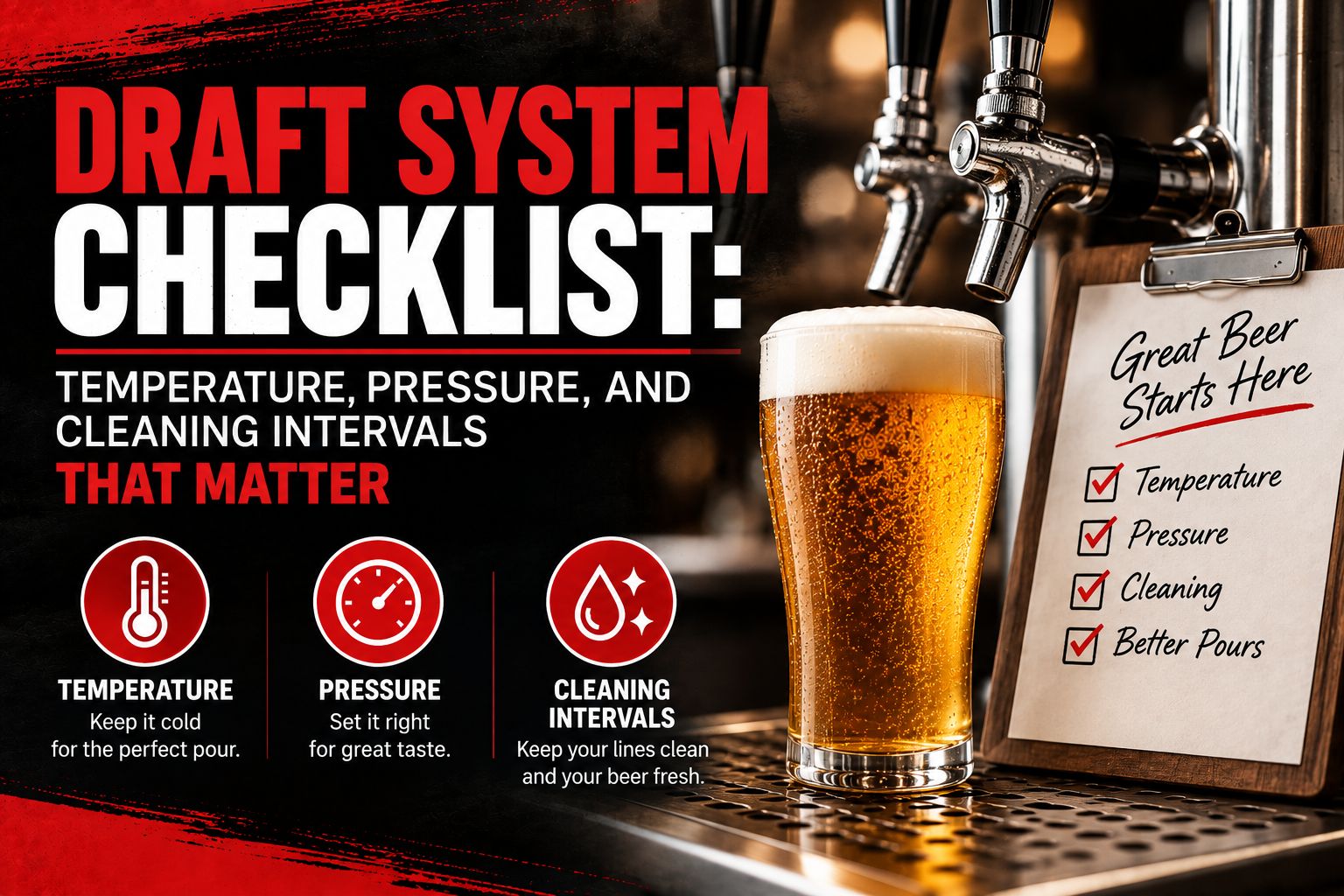
Draft beer problems don't announce themselves with flashing lights. They sneak up during peak hours, costing you product, time, and customers. Commercial draft systems run hard in busy bars and restaurants. When they fail, small issues become expensive fast. Recognizing warning signs early lets you fix problems before they cascade into major service disruptions. Slow or Inconsistent Pours Beer that trickles instead of pours signals pressure problems. Customers wait longer, staff gets frustrated, and tabs take longer to close. This usually traces to failing regulators, clogged lines, or worn couplers. Kegs connect fine but beer barely moves. During rush hour, one slow tap backs up the entire bar. Regular maintenance catches these early. When pours slow across multiple taps, shut down service and call a technician. Continuing risks burning out regulators or starving lines of proper pressure. Excessive Foam Across Multiple Taps One foamy tap might be a dirty faucet. Foam across 2+ taps points to system-wide temperature or pressure failure. Warm beer lines, over-pressurized CO2, or glycol chiller breakdowns cause carbonation to escape prematurely. Customers receive half beer, half foam wasted product, and unhappy guests. Foam issues spread fast because draft systems interconnect. A single cooling failure affects every tap. Don't adjust pressure blindly; temperature problems mimic pressure issues. Visible Leaks or Gas Smells Puddles under the tower, hissing sounds, or CO2 smell mean fittings failed. Leaks waste gas and compromise pressure throughout the system. Gas side leaks create slow pours; liquid side leaks waste beer. Tiny drips become gushers during service. Staff often patch with tape, temporary fixes that fail the next keg. Inspect daily during closing. Any moisture, residue, or unusual smell demands immediate attention. CO2 leaks also pose safety risks in tight bar spaces. Beer Tastes Off or Flat Customers notice flavor before foam. Stale, sour, or cardboard tastes signal dirty lines or bacterial growth. Yeast, protein, and organic buildup coat lines internally. Clean beer leaving the keg picks up contamination before the glass. Flat pours follow when carbonation escapes through dirty contact points. Off-flavors hit reputation hardest. Repeat customers vanish when every pint tastes wrong. Health departments also flag beer line bacteria during routine inspections. Equipment Making Strange Noises Glycol chillers humming normally shouldn't grind, rattle, or cycle constantly. Pumps straining or compressors clicking signal mechanical failure. Noise means components work harder than designed. Early bearing wear, low refrigerant, or clogged coils create telltale sounds before total breakdown. Quiet operation prevents escalation. Continuing service risks complete chiller failure, leaving all taps warm. Staff often ignore "normal" noise until disaster hits. The Hidden Cost of Ignoring Warning Signs One foamy Friday night costs hundreds in waste and lost sales. Weekly issues compound into thousands monthly. Equipment strain from neglect doubles repair bills. Systems push limits during events. Warning signs during quiet shifts predict Friday failures. Proactive service protects weekend revenue. Daily Walkthrough Checklist Front-of-house staff catch issues early with simple habits. Closing routine: Test pour every tap (look, taste, foam) Check for puddles or residue Listen around chiller/pump area Feel lines for warmth Sniff for gas near couplers Morning startup: Full system pressure test Inspect keg connections Verify chiller temps Note any overnight changes When DIY Fixes Fail Tape on leaks, pressure tweaks, faucet disassembly, staff fixes work short-term. They mask symptoms while root causes worsen. Commercial systems demand precision. Wrong pressure destroys keg carbonation. Over-tightened fittings crack couplers. Untrained cleaning spreads bacteria. Professional diagnosis tests full system balance, not just visible problems. Technicians carry specialized tools unavailable to bar staff. What Technicians Check First Diagnostic sequence: Temperature at every point (keg, line, tower) Pressure at regulator output vs. line restriction Glycol levels, pH, pump operation Coupler and fitting integrity Line cleanliness via ATP swab Most failures trace to 2-3 interconnected issues. Single-point fixes return problems weekly. Repair vs. Replacement Decision Patch old systems or upgrade? Consider: Age (10+ years usually replace) Repair frequency (monthly = replace) Capacity vs. current volume Future expansion plans New systems pay back through reliability. Repairs buy time, not solutions for growing operations. Industry Maintenance Standards Brewers Association recommends quarterly full audits. Bi-monthly line cleaning prevents 80% failures. Monthly glycol service extends chiller life 3x. High-volume bars exceed these. Weekly line spot-checks, monthly full service keeps systems peak performing. Call Brewskis Before Friday Emergency repairs hit hardest during peak revenue hours. Scheduled service prevents disasters. Brewskis Beverage Service responds fast with fully stocked vans. Certified technicians fix most issues same-day.
April 24, 2026
Planning Brewery Growth in Orange County Starts With the Right Draft System Brewery expansion is happening across Orange County , especially in cities like Anaheim , Costa Mesa , Santa Ana , and Irvine . As breweries grow, many owners focus heavily on brewhouse capacity, fermentation space, and packaging upgrades. What often gets overlooked is the draft system. A draft system that worked for a smaller operation may not perform the same once taprooms expand, new taps are added, or service areas grow. When draft infrastructure falls behind production growth, problems show up quickly. Foam issues increase, pours slow down, and beer quality becomes inconsistent. Many expanding breweries throughout Orange County turn to Brewskis Beverage Service to evaluate existing systems before making major changes. Early planning allows brewery owners to upgrade infrastructure in a controlled and cost-effective way rather than reacting to problems after expansion is complete. Signs Your Brewery Has Outgrown Its Draft System Not every brewery needs a full replacement during expansion, but there are clear indicators that an upgrade is necessary. Inconsistent Pour Quality During Busy Hours One of the first signs of an undersized draft system is inconsistent pours during peak service times. A system that performs well during slow hours may struggle once taproom volume increases. Common symptoms include: Excess foam at the tap Slower pour times Flat beer due to pressure imbalance Increased product waste These issues are frequently seen in busy brewery districts such as Anaheim and Costa Mesa, where customer traffic increases significantly on weekends. Limited Capacity for Additional Taps Many breweries reach a point where adding taps becomes difficult without affecting the existing system. This usually happens when glycol cooling or trunk line capacity reaches its limit. If you are planning to: Add more tap handles Expand your taproom Introduce outdoor service Increase beer variety Then your draft system must be evaluated before expansion begins. Frequent Service and Maintenance Issues Older systems that are stretched beyond their capacity often require more frequent repairs. Common warning signs include: Pressure regulators failing more often Uneven temperature readings Glycol systems running continuously Excess moisture or condensation Addressing these problems early prevents emergency downtime during busy service hours. Why Draft System Planning Should Happen Before Construction Many brewery owners plan expansions months in advance, but draft systems are sometimes addressed late in the process. This creates unnecessary complications. Draft system upgrades should be included during early design phases alongside architectural planning and refrigeration layout. Early coordination allows for: Efficient line routing Proper equipment sizing Space allocation for future growth Reduced installation delays Brewery owners across Irvine and Santa Ana often schedule consultations with Brewskis Beverage Service during the planning stage to review system capacity before walls are built and equipment is installed. Understanding Long Draw Draft Systems for Growing Breweries As breweries expand, the distance between cold storage and serving locations usually increases. This is where long draw draft systems become essential. What Is a Long Draw Draft System? A long draw draft system uses insulated trunk lines and glycol cooling to maintain beer temperature as it travels from the keg room to the tap. These systems are designed to support: Larger taprooms Multiple serving stations Outdoor bar areas Remote tap towers Without proper design, long draw systems can lead to temperature swings that impact carbonation levels and overall beer quality. Scaling Glycol Cooling Systems During Expansion Glycol cooling is one of the most important components of any large draft system. As more taps are added, cooling demand increases significantly. Why Glycol Capacity Matters Every additional tap introduces more heat load into the system. If glycol capacity is insufficient, temperatures rise along the trunk line. This leads to: Foam-heavy pours Temperature inconsistency Product loss Slower service times Upgrading glycol capacity during expansion ensures that all taps perform consistently, even during busy service periods. Planning for Future Expansion Smart breweries plan glycol capacity beyond immediate needs. This prevents the need for repeated upgrades. Future considerations may include: Additional tap stations Outdoor service expansion Seasonal demand increases Special event service areas Planning for growth protects your investment and supports long-term success. Taproom Expansion Requires Strategic Draft System Design Taproom growth is one of the most common reasons breweries upgrade their draft systems. More seating, entertainment areas, and extended service hours all increase demand. Indoor and Outdoor Service Considerations Outdoor service areas present unique challenges due to exposure to heat and sunlight. Key planning factors include: Distance from cold storage Environmental exposure Insulation requirements Temperature control stability Breweries located near coastal areas of Orange County often require stronger insulation and consistent glycol circulation to maintain quality in outdoor service areas. Material Selection Impacts Performance and Maintenance Choosing the right materials during expansion reduces long-term maintenance issues and improves beer quality. Modern Barrier Tubing and Stainless Options Older vinyl lines are gradually being replaced by modern barrier tubing that resists flavor carryover and contamination. Advantages include: Improved sanitation Reduced flavor transfer Longer lifespan Easier maintenance Using higher-quality materials during system upgrades reduces long-term service costs and supports better tasting beer. Managing Multiple Beer Styles During Expansion As breweries grow, the variety of beers offered often increases. Each beer style requires different pressure and carbonation settings. Balancing Multiple Beer Styles Different beers require different serving conditions. Examples include: Highly carbonated lagers Nitrogen-based stouts Hazy IPAs Seasonal specialty beers Proper balancing ensures that each line performs independently without affecting others. This is especially important for breweries expanding into larger tasting rooms with diverse tap lists. Unique Challenges for Breweries in Orange County Operating in Orange County presents environmental and operational challenges that affect draft system performance. High Customer Traffic Busy brewery areas experience heavy usage during evenings and weekends. High demand places stress on: Glycol systems Pressure regulators Line balancing Cooling equipment Systems must be designed to perform reliably during peak demand periods. Warm Climate Conditions Southern California temperatures create ongoing cooling challenges. Warm conditions increase the risk of: Foam issues Temperature instability Equipment strain Strong insulation and properly sized cooling systems are essential for reliable performance. Preventative Maintenance After System Upgrades Upgrading your draft system is only the beginning. Regular maintenance ensures long-term performance. Recommended practices include: Scheduled line cleaning Pressure inspections Glycol level monitoring Equipment calibration Breweries that follow consistent maintenance routines experience fewer emergency repairs and improved beer quality. Many Orange County breweries rely on Brewskis Beverage Service for ongoing preventative maintenance programs that help maintain system performance year-round. Budgeting for Draft System Upgrades Draft infrastructure should be included in expansion budgets from the beginning. Common cost considerations include: Equipment upgrades Installation labor Cooling expansion Materials and insulation Future growth allowances Investing in proper infrastructure upfront prevents repeated expenses later. Working With Experienced Draft System Professionals Draft system upgrades require technical expertise and careful planning. Choosing the right service partner can make the expansion process smoother. Reliable providers should offer: Custom system design Installation services System troubleshooting Maintenance programs Expansion planning support Breweries throughout Anaheim, Irvine, and Costa Mesa frequently partner with Brewskis Beverage Service for system upgrades and new installations because of their experience working with growing brewery operations across Southern California. Supporting Multi-Location Brewery Growth Some breweries expand into multiple locations once their brand gains traction. Standardizing draft systems across locations improves operational efficiency. Benefits of standardized systems include: Faster troubleshooting Consistent beer quality Simplified staff training Easier equipment replacement Consistency across locations strengthens brand identity and customer experience. Preparing for Technology Integration Modern draft systems are becoming more advanced. Many breweries are adopting monitoring technology that tracks system performance. These tools allow operators to monitor: Temperature stability Pressure levels Glycol performance Maintenance schedules Early detection of issues prevents service disruptions and protects product quality. Why Draft System Upgrades Protect Your Beer Quality Beer quality does not end at the brewing process. The draft system plays a major role in maintaining taste, carbonation, and consistency. Proper upgrades support: Stable serving temperatures Balanced carbonation Smooth pour performance Reduced waste Serving beer exactly as intended protects your reputation and keeps customers coming back. When to Schedule a Draft System Evaluation Waiting until problems appear often leads to costly repairs. Scheduling evaluations early helps prevent downtime. Consider scheduling an evaluation when: Planning an expansion Increasing tap count Opening new service areas Experiencing frequent foam issues Preparing for seasonal demand increases Proactive planning keeps operations running smoothly. Schedule a Draft System Upgrade Consultation With Brewskis Beverage Service If your brewery is expanding in Orange County or preparing to increase tap capacity, professional draft system support can make the process smoother and more reliable. Brewskis Beverage Service provides draft system evaluations, upgrades, and long draw installations designed to support brewery growth across Anaheim, Santa Ana, Costa Mesa, Irvine, and surrounding areas. Working with a knowledgeable draft system team helps breweries: Expand tap capacity with confidence Maintain consistent pour quality Reduce product waste Support long-term growth  Planning your draft system upgrades early ensures that your expansion stays on schedule and your beer continues to pour exactly as intended.
April 17, 2026
Restaurants throughout Irvine and Glendale depend on properly maintained draft systems to deliver fresh beer and maintain food safety standards. Many restaurant owners focus on menu quality and customer service, but draft system cleanliness plays an equally important role in protecting product quality and reputation. Beer lines carry organic material, yeast, and sugar residue. Without routine cleaning, buildup forms inside the lines. This buildup impacts taste, reduces system efficiency, and creates sanitation concerns. Restaurants across Southern California commonly rely on Brewskis Beverage Service to maintain structured bi-weekly line cleaning schedules that protect beer quality and keep draft systems performing consistently. What Happens Inside Beer Lines Between Cleanings Beer lines appear clean from the outside, but interior buildup begins forming quickly after use. Even with proper refrigeration, residue accumulates inside the tubing. Yeast and Bacteria Growth Beer contains yeast and organic material that settles inside the line. Over time, these materials support bacterial growth. Common results include: Sour or bitter flavors Cloudy pours Unpleasant odors Reduced shelf life of beer Customers may not always recognize the cause, but they will notice when beer quality declines. Biofilm Formation Creates Persistent Problems Biofilm is a sticky layer that forms inside untreated beer lines. Once biofilm develops, simple rinsing is not enough to remove it. Biofilm leads to: Off-flavors in beer Increased contamination risk Poor foam stability Long-term damage to equipment Routine cleaning prevents biofilm from becoming established. Why Bi-Weekly Cleaning Is the Industry Standard Most restaurants follow a bi-weekly cleaning schedule because it balances sanitation needs with operational efficiency. Industry Recommendations Support Bi-Weekly Service Draft system maintenance guidelines recommend cleaning beer lines every two weeks to maintain beer freshness and protect public health. Regular cleaning helps: Preserve flavor quality Maintain consistent carbonation Prevent bacterial growth Extend equipment lifespan Restaurants that delay cleaning often experience more equipment issues and customer complaints. Protecting Flavor Quality Across Multiple Tap Lines Restaurants frequently serve several beer styles from a single draft system. Each line must be maintained independently to prevent flavor contamination. Flavor Carryover Between Lines Without routine cleaning, residue from one beer style can affect the taste of another. This is especially noticeable when serving: Light lagers IPAs Wheat beers Seasonal specialty beers Maintaining clean lines ensures that each beer pours as intended by the brewer. Health and Safety Compliance in California Restaurants Sanitation standards are strictly enforced across food and beverage establishments. Beer line maintenance is part of maintaining overall hygiene. Preventing Contamination Risks Dirty beer lines can introduce contaminants into beverages. This creates both quality and safety concerns. Routine cleaning supports: Safe beverage service Regulatory compliance Customer confidence Consistent product standards Restaurants in Irvine and Glendale often maintain documented cleaning schedules to demonstrate proper sanitation practices during inspections. Equipment Protection Through Regular Cleaning Cleaning beer lines does more than protect flavor. It also protects equipment performance. Preventing Clogs and Blockages Residue buildup restricts flow inside the tubing. This creates resistance that affects system pressure. Common problems include: Slow pours Foam buildup Pressure fluctuations Increased strain on components Routine cleaning removes buildup before it damages the system. The Bi-Weekly Cleaning Process Explained Professional cleaning involves more than flushing water through the lines. It requires specialized equipment and approved cleaning solutions. Step-by-Step Cleaning Procedures A typical cleaning process includes: Disconnecting keg lines Flushing lines with cleaning solution Allowing proper soak time Rinsing lines thoroughly Reconnecting and testing the system Each step ensures that residue and biofilm are fully removed. Restaurants that rely on Brewskis Beverage Service receive consistent, documented cleaning procedures that meet industry expectations. Maintaining Consistency During Busy Restaurant Operations Restaurants in high-traffic areas require dependable draft performance. Regular cleaning helps maintain steady service during peak hours. Supporting High-Volume Service Busy locations in Irvine shopping districts and Glendale dining areas often serve large numbers of customers in short periods. Clean lines help ensure: Faster pours Stable carbonation Reduced downtime Reliable system performance Consistent maintenance prevents service disruptions during peak business hours. Identifying Signs That Cleaning Is Overdue Restaurant staff may notice early warning signs when cleaning schedules are delayed. Common indicators include: Sour or stale taste Excess foam Slow pour speed Visible sediment in glassware Ignoring these signs leads to more serious maintenance problems. Why Professional Cleaning Services Are Recommended While some businesses attempt to clean lines internally, professional cleaning services provide more consistent results. Advantages of Professional Maintenance Professional cleaning includes: Proper chemical usage Accurate timing procedures Complete system flushing Equipment inspection Restaurants across Irvine and Glendale often partner with Brewskis Beverage Service for scheduled cleaning programs that remove guesswork and ensure consistent results. Preventing Product Waste Through Proper Maintenance Foam and poor flow create unnecessary product loss. Waste increases operating costs and reduces profitability. Reducing Beer Loss Routine cleaning improves: Flow efficiency Pour accuracy Pressure balance Temperature consistency Lower waste levels contribute to better cost control. Extending Equipment Lifespan With Routine Cleaning Draft systems represent a significant investment. Proper maintenance protects that investment. Preventing Long-Term Damage Residue buildup causes internal wear that shortens equipment lifespan. Routine cleaning helps prevent: Tubing deterioration Regulator failure Valve damage System corrosion Maintaining equipment reduces replacement costs. Supporting Multi-Tap Restaurant Systems Many modern restaurants operate large tap systems that require careful maintenance. Managing Larger Systems Efficiently Multi-tap systems require: Individual line cleaning Balanced pressure settings Regular inspections Consistent scheduling Structured cleaning programs help maintain reliability across all taps. Maintaining Customer Confidence Through Quality Control Customers expect fresh beer every time they visit. Poor quality quickly affects reputation. Protecting Brand Reputation Clean lines contribute to: Better tasting beer Positive customer experiences Increased repeat business Stronger online reviews Restaurants that prioritize draft system cleanliness often see improved customer satisfaction. Planning Cleaning Schedules Around Business Hours Scheduling cleaning services requires coordination to minimize disruption. Choosing the Right Service Times Many restaurants schedule cleaning: Early morning hours Off-peak periods Before opening After closing Flexible scheduling keeps operations running smoothly. Supporting Restaurant Growth With Reliable Maintenance As restaurants expand operations, maintenance demands increase. New tap installations require: Regular cleaning System adjustments Performance monitoring Consistent maintenance supports long-term growth and reliability. Why Irvine and Glendale Restaurants Rely on Structured Cleaning Programs Local restaurants operate in competitive dining environments where quality matters. Maintaining consistent draft performance helps businesses stand out. Restaurant owners in Irvine and Glendale often rely on Brewskis Beverage Service to maintain structured bi-weekly cleaning programs that protect both equipment and product quality. Reliable maintenance reduces downtime and ensures that draft systems perform consistently throughout the year. Schedule Bi-Weekly Beer Line Cleaning for Your Restaurant Maintaining clean beer lines is one of the most important steps in protecting product quality and maintaining customer satisfaction. Brewskis Beverage Service provides professional bi-weekly line cleaning services designed for restaurants throughout Irvine, Glendale, and surrounding areas. Professional cleaning helps restaurants: Maintain fresh beer flavor Reduce foam and waste Protect equipment performance Stay compliant with sanitation standards Routine maintenance keeps draft systems reliable and ensures that every beer served meets customer expectations.
April 12, 2026
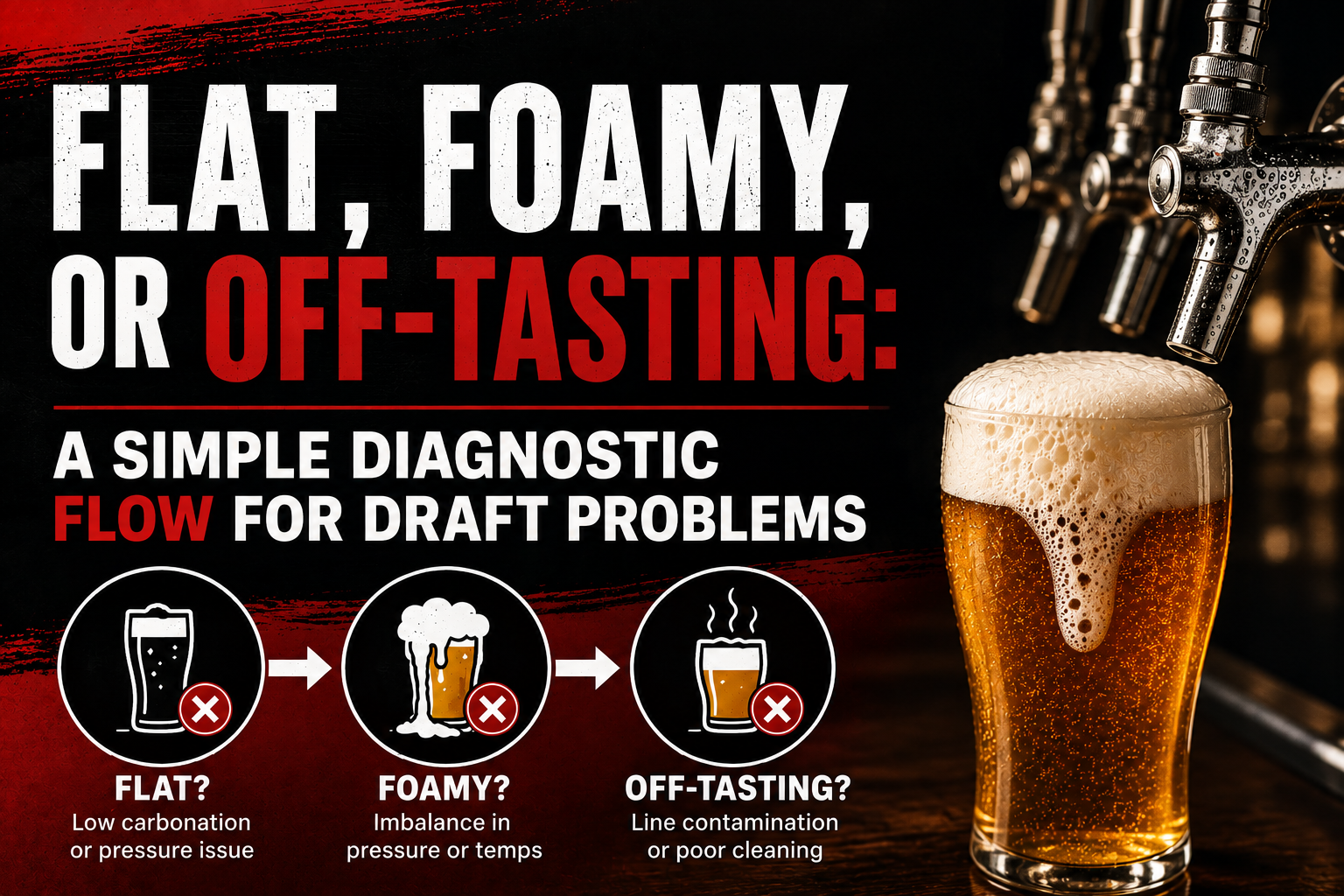
Few things frustrate a bar owner, restaurant manager, or bartender more than opening the tap and getting a glass full of foam instead of a clean pour. Foamy beer is more than an annoyance. It slows service, wastes product, and creates a bad guest experience that can affect repeat business. The good news is that foamy draft beer is usually a sign of a fixable problem. In most cases, the issue comes down to temperature, pressure, cleanliness, equipment wear, or improper system balance. Once you know where to look, you can often narrow the problem quickly and keep your draft system running the way it should. What Foamy Beer Means Draft beer is supposed to leave the keg, travel through the system, and reach the glass at the right balance of pressure and temperature. When that balance is off, carbonation escapes too quickly and foam takes over. Foam can happen at the tap, in the line, or inside the keg itself. Sometimes the cause is obvious, like a warm line or a dirty faucet. Other times, it points to a deeper system issue that needs professional attention. Understanding the difference helps you avoid temporary fixes that only mask the real problem. Temperature Problems One of the most common causes of foamy draft beer is inconsistent temperature. Beer needs to stay cold from the keg all the way to the faucet. If the beer warms up anywhere along the route, carbonation becomes unstable and foam increases. This problem often shows up when the system is installed in a warm storage area, the cooler is not holding temperature properly, or the lines are too long without proper cooling. In some cases, the first pint after a period of inactivity may be foam-heavy because warm beer has been sitting in the line. To reduce this issue, check the walk-in cooler, remote cooling equipment, and line insulation. If your system uses a glycol chiller, make sure it is operating correctly and keeping the beer line cold throughout the entire run. Pressure Imbalance Pressure is another major factor in draft beer performance. If the CO2 pressure is too low, beer loses carbonation before it reaches the glass. If the pressure is too high, the beer can overcarbonate and pour with excessive foam. A balanced system keeps the beer moving at the right pace while maintaining carbonation from keg to tap. When the pressure setting does not match the beer line length, elevation change, or temperature, foam problems usually follow. Signs of pressure imbalance include beer that starts out foamy and then settles down, beer that tastes flat, or sudden changes in pour quality after a keg change. A technician can test the system and adjust pressure to match the setup properly. Dirty Beer Lines and Faucets Cleanliness plays a bigger role in beer quality than many people realize. Yeast, sugar, protein, and mineral buildup can coat the inside of lines, faucets, and couplers. Over time, this buildup affects flow and creates nucleation points where carbonation breaks out of solution and forms foam. Dirty lines often cause beer to taste stale or sour in addition to pouring badly. If a faucet has sticky residue or buildup around the spout, that can also disrupt the pour. Regular line cleaning is one of the best ways to prevent foam issues. In a busy commercial setting, line cleaning should never be an afterthought. Keeping faucets, couplers, and product lines clean helps maintain flavor, flow, and consistency. Worn or Damaged Equipment Even a well-balanced draft system can develop foam problems if hardware is worn out or damaged. Old faucets, failing washers, cracked couplers, or leaking seals can all disrupt beer flow. In some cases, a tiny air leak is enough to create major pour issues. Towers and shanks can also cause trouble if they are not insulated properly. When beer sits in warm metal parts, it starts to expand and foam before it even reaches the glass. A worn or poorly designed draft tower can create repeat issues that no amount of pressure adjustment will solve. If you’ve already checked the basics and the problem continues, it may be time to inspect the physical components of the system. Replacing a small part at the right time can prevent bigger service failures later. Improper System Balance A draft system must be balanced to match the beer style, line length, temperature, and pressure. When the balance is off, foam is often the first warning sign. This is especially common when a system has been modified over time without a full recalculation. For example, adding a longer beer run without adjusting pressure can create a slow, unstable pour. Replacing one piece of equipment without checking the whole system can also throw off performance. What looks like a faucet problem may actually be a line-balance issue. A properly balanced system helps beer pour at the right speed and with the right carbonation. This improves consistency, reduces waste, and gives customers a better experience every time they order a pint. Keg Handling Issues Sometimes the foaming problem starts before the beer even reaches the draft system. If a keg is shaken, moved too roughly, or not allowed to settle after transport, carbonation can surge and create a poor pour. Warm keg storage can also cause trouble. Beer that has been sitting too long outside proper refrigeration may pour excessively foamy until it cools back down. In high-volume operations, keg rotation and storage discipline matter more than many teams realize. This is why proper training is important. Staff should know how to handle kegs, connect them correctly, and allow new kegs to settle before service begins. Quick Troubleshooting Steps If your beer is pouring foamy, start with these checks: Confirm the keg is cold. Check whether the line and faucet are clean. Make sure the CO2 pressure is set correctly. Inspect for leaks or damaged fittings. Review whether the system has been balanced properly. These steps can help identify the most common causes quickly. If the issue keeps returning, there is usually a deeper system problem that needs professional diagnosis. When to Call a Technician If foam problems happen often, it usually means the system needs more than a simple reset. Repeated issues can point to faulty regulators, poor line design, bad insulation, or a cooling system that is not doing its job. A qualified draft beer technician can test the full system, identify the real source of the foam, and recommend the right repair. That is especially important for restaurants and bars that depend on draft sales every day. The longer the problem goes unresolved, the more product and revenue you lose. Conclusion Foamy draft beer is usually a symptom, not the root problem. Temperature, pressure, cleanliness, worn parts, and system balance all affect how beer pours. The best fix is to identify the real cause instead of chasing short-term workarounds. For commercial venues, consistent draft performance protects product quality, speeds up service, and keeps customers happy. A well-maintained system is one of the most valuable pieces of equipment behind the bar.
April 12, 2026
Choosing a draft beer system is a big decision for any bar, restaurant, taproom, or hospitality business. The right setup affects not only how beer tastes and pours, but also how efficiently your team can serve customers and how much product you lose over time. A draft system is not one-size-fits-all. The right choice depends on your beverage menu, your volume, your space, and the layout of your building. If you choose the wrong system, you may end up with foamy beer, long wait times, expensive repairs, or a setup that is difficult to maintain. Why System Choice Matters A draft beer system is both a sales tool and an operations tool. When it is designed well, it supports fast service, consistent pours, and a better guest experience. When it is designed poorly, it creates headaches that affect staff, customers, and the bottom line. Many business owners focus only on upfront cost, but that is only part of the picture. Installation quality, line design, cooling needs, and maintenance requirements all affect the long-term value of the system. A smart choice now can save time and money later. Start With Your Business Type The first step is to think about how your business actually uses draft beer. A small bar with limited tap volume has very different needs from a high-volume restaurant or a taproom with many rotating offerings. If your business serves beer quickly and in smaller quantities, a simpler direct-draw system may be enough. If you need to run beer farther from the cooler to the taps, you may need a longer-draw system with additional cooling support. The more complex the service environment, the more important it becomes to design around real operating conditions. Understand Direct-Draw Systems Direct-draw systems are usually simpler and shorter in design. In this setup, the keg sits close to the tap, often in a refrigerated space or cooler. Because the distance is short, the system is often easier to install and maintain. This type of system works well for small bars, limited menus, and businesses that want straightforward service with fewer moving parts. It can also be a cost-effective choice when space is tight. However, direct-draw systems are not ideal for every layout, especially when the tap tower is far from the keg storage area. Understand Long-Draw Systems Long-draw systems are used when beer must travel a longer distance from the keg to the faucet. These systems are more complex and often require glycol cooling or other temperature-control solutions to keep beer cold along the entire line. Long-draw systems are common in larger bars, restaurants, venues, and high-volume operations. They allow more flexibility in layout because the keg room can be located away from the bar. That said, they also require more careful design, stronger maintenance, and more precise balancing to prevent foamy pours and temperature issues. Think About Beer Volume The amount of beer you sell should influence your setup. A business with just a few popular taps does not need the same infrastructure as a venue with constant draft movement and multiple beer styles. High-volume operations benefit from systems that support speed, reliability, and easy keg changeouts. Lower-volume businesses may prioritize simplicity and lower equipment cost. The goal is to match the system to actual demand instead of overbuilding or underbuilding the setup. If you expect growth, it is smart to plan for expansion early. A system that can scale with your business may save you from a costly redesign later. Consider Space and Layout Your physical layout is just as important as your beer list. Where is the keg storage area? How far is it from the bar? Can the lines be routed efficiently? Is there enough ventilation and access for service? These layout questions affect more than convenience. They determine how stable the system will be and how easy it will be to repair. Tight spaces, long runs, and awkward equipment placement can increase the risk of temperature loss, line damage, and service interruptions. A professional installer will look at the whole environment, not just the tap tower. That includes back-of-house workflow, refrigeration, line routing, and future maintenance access. Cooling Is Critical Temperature control is one of the most important parts of draft system design. Beer that gets too warm will foam, taste inconsistent, and lose quality before it reaches the glass. For short systems, refrigeration around the keg may be enough. For longer runs, glycol cooling or a similar solution may be necessary. The system should be designed to maintain cold beer all the way through the line, not just at the start. Poor cooling is one of the most common reasons draft systems underperform. If the temperature design is weak from the beginning, no amount of pressure adjustment will fully fix the problem. Pay Attention to Line Balance A draft system must be balanced so that beer flows at the right speed with the right pressure. If the system is not balanced correctly, customers may receive foamy beer, flat beer, or slow pours. Line length, elevation, beer temperature, CO2 pressure, and faucet resistance all affect balance. This is why draft installation should never be treated like a basic equipment hookup. The system needs to be engineered as a whole. Balanced systems pour more consistently, waste less beer, and reduce calls for service. For busy businesses, that consistency is a major advantage. Choose Equipment That Fits the Job Draft beer systems are made up of many parts, including towers, faucets, regulators, couplers, lines, and cooling components. The quality and compatibility of these parts matter. Cheap or mismatched components can cause ongoing problems. A good system should use parts that are appropriate for your beer volume, your layout, and your service goals. In some cases, custom-built or custom-fabricated pieces may be the best way to achieve a clean, reliable setup. If your concept has a specific design style or customer experience in mind, equipment choice also affects the look of the bar. The system should perform well and fit the brand. Maintenance Should Be Part of the Decision Many buyers focus only on installation and forget about what happens after opening. But every draft system needs maintenance to keep pouring properly. You should ask how easy the system will be to clean, service, and repair. If a component fails, can it be replaced quickly? Are parts easy to access? Will the setup allow routine line cleaning without major disruption? A system that is difficult to maintain may cost less upfront but more over time. In commercial food and beverage operations, serviceability is just as important as appearance. When Professional Design Helps Draft beer system design involves more than running a few lines and attaching taps. A professional installer can help match the system to your layout, traffic patterns, and service expectations. That matters even more if you have a custom bar, a large beverage program, or multiple draft products. A well-designed system reduces risk, protects beer quality, and helps staff work more efficiently. It also creates fewer surprises after opening. If you are planning a new build or major upgrade, getting the design right at the beginning is one of the best investments you can make. Conclusion The best draft beer system is the one that fits your business, your space, and your service goals. Direct-draw systems work well for simpler setups, while long-draw systems support larger and more flexible operations. When choosing a system, consider volume, space, cooling, balance, equipment quality, and maintenance needs. A thoughtful installation creates better beer, faster service, and fewer repair problems over time.
April 12, 2026
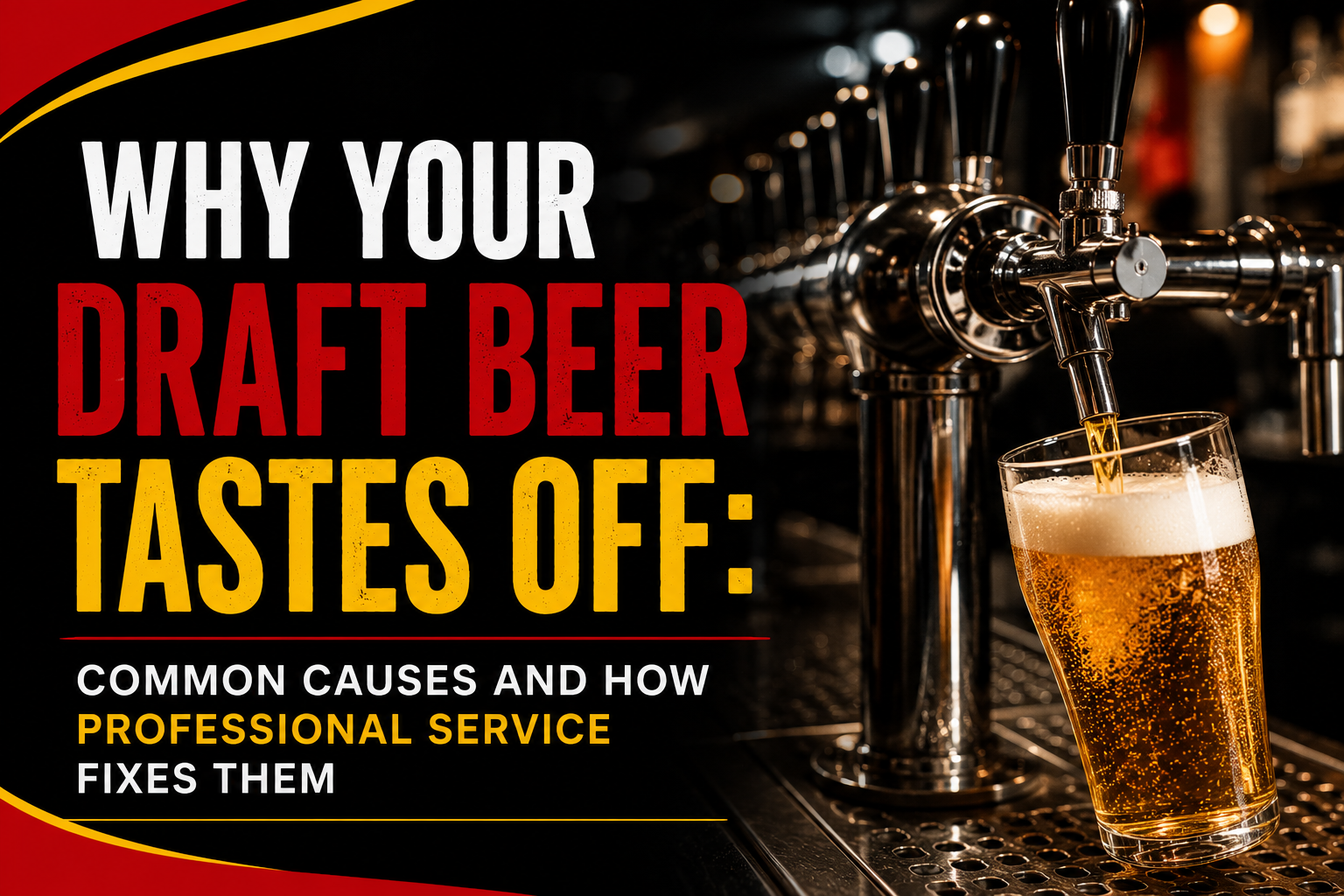
A glycol chiller is one of the most important pieces of equipment in a long-draw draft beer system. It keeps beer cold as it travels from the cooler or keg room to the tap, helping maintain consistent temperature and pour quality across the entire line. When a glycol chiller starts failing, the effects are usually noticeable fast. Beer may pour foamy, warm, or inconsistent. In many cases, what looks like a beer problem is actually a cooling problem. That is why understanding the warning signs of glycol chiller trouble matters for any business that relies on draft beer. What a Glycol Chiller Does A glycol chiller circulates a chilled glycol solution through trunk lines or cooling loops that surround the beer lines. Its job is to keep the beer cold from start to finish, especially when the keg room is far from the bar. This is critical in long-draw systems because beer temperature must stay stable over distance. Without proper cooling, beer warms up in the line, carbonation becomes unstable, and foam takes over. A working chiller helps preserve both product quality and system balance. Signs of Trouble Glycol chiller problems often show up as draft issues first. If your beer suddenly starts pouring foamy or warm, the chiller should be one of the first things checked. Common warning signs include: Beer lines that feel warm. Foamy pours across multiple taps. A chiller that is running constantly or not turning on. Ice buildup or unusual condensation. Strange noises coming from the unit. Uneven beer temperatures at different taps. These symptoms do not always mean the chiller is completely broken, but they do signal that something is wrong. Catching the issue early can prevent bigger damage and reduce downtime. Common Causes of Failure Glycol chillers can fail for several reasons. One of the most common is low glycol level, which prevents the system from cooling the lines effectively. Other causes include pump issues, compressor failure, dirty coils, clogged filters, electrical problems, or improper settings. In some cases, the problem may be related to insulation or line routing rather than the chiller itself. That is why diagnosis should consider the whole system, not just the machine. Even small maintenance issues can reduce performance over time. If the unit has not been inspected regularly, a minor problem may eventually grow into a complete shutdown. Temperature Problems Spread Fast When a glycol chiller is not working correctly, temperature problems usually affect more than one tap. That is one reason these issues can be so disruptive in a commercial setting. If beer in multiple runs starts pouring warm or foamy at the same time, the cooling system may be losing efficiency. If only one area is affected, the problem may be localized to a specific line, pump, or insulation section. The pattern of the problem can help point to the source. Because draft systems are interconnected, one cooling failure can make the whole system seem unreliable. That is why prompt repair matters. Why Repair Matters Quickly A failing glycol chiller does more than inconvenience staff. It affects product quality, service speed, and revenue. Warm beer pours poorly, wastes product, and frustrates customers. Staff may need to repeatedly dump foam-heavy drinks, which slows service during busy periods. If the issue continues too long, it can damage guest confidence in the bar or restaurant. Quick repair helps limit those losses. The sooner the chiller is restored, the sooner the draft system returns to stable operation. What Technicians Check When a technician services a glycol chiller, they usually begin with the basics. That may include checking glycol level, temperature settings, pumps, compressor operation, electrical components, and signs of leaks or blockages. They may also inspect the insulation and line routing to make sure the cooling loop is doing its job. In some cases, the problem is not the chiller itself but a failed part of the cooling path. A full diagnostic approach helps avoid unnecessary replacement and ensures the real issue is addressed. Professional testing is especially important because glycol systems are tied to beer quality across multiple taps. A small malfunction can create widespread problems. Preventive Maintenance Helps Many glycol chiller failures can be delayed or avoided with regular maintenance. Simple tasks like checking fluid levels, cleaning coils, inspecting lines, and monitoring temperature can help catch problems early. Preventive care also makes it easier to spot changes in performance. If a chiller is slowly losing efficiency, regular checks can identify the issue before customers notice. That can save money and reduce emergency service calls. For businesses that rely heavily on draft beer, maintenance is not optional. It is part of keeping the system profitable and dependable. When to Call a Pro Some minor issues can be identified by staff, but glycol chiller repair is usually best handled by a trained technician. These systems involve refrigeration, pumps, glycol circulation, and draft balance, so the fix is often more technical than it first appears. If the chiller is not cooling properly, is making unusual noises, or is causing repeated beer quality issues, professional service is the right move. A qualified technician can diagnose the exact cause, repair the system safely, and confirm that the draft lines are cooling correctly again. Trying to keep service going with a failing chiller usually leads to more wasted product and more customer complaints. Fast professional help is often the most cost-effective option. How It Supports the Whole System A glycol chiller does not just cool beer. It supports the entire draft experience. When it works correctly, the system pours cleanly, keeps flavor stable, and helps staff move quickly during service. That is why chiller repair is such an important part of commercial draft system care. It protects the investment in the beer lines, the taps, and the customer experience. In a high-volume operation, stable cooling is one of the foundations of reliable draft service. Conclusion Glycol chiller problems can look like beer problems, but they are often the root cause behind foamy pours and inconsistent temperature. Knowing the warning signs, understanding the common causes, and acting quickly can prevent bigger losses. For bars, restaurants, and taprooms, a properly working chiller is essential to draft system performance. When it fails, the entire system feels it. Prompt repair and regular maintenance are the best ways to keep beer pouring cold, consistent, and profitable.
April 12, 2026
A draft beer system is not something you install once and forget. Like any piece of commercial equipment, it needs regular maintenance to keep working properly and delivering consistent results. For bars, restaurants, and taprooms, maintenance is not just about preventing breakdowns. It is about protecting product quality, reducing waste, avoiding emergency repairs, and keeping customers happy with every pour. A well-maintained system performs better, lasts longer, and costs less to operate over time. Why Maintenance Matters Draft beer quality depends on a chain of connected parts working together correctly. If one part becomes dirty, worn, or out of balance, the whole system can suffer. Routine maintenance helps prevent common issues like foamy beer, flat beer, slow pours, off flavors, and temperature problems. It also helps staff catch small issues before they turn into expensive failures. For a business that depends on draft sales, that kind of prevention is valuable. Clean Beer Tastes Better One of the most important maintenance tasks is line cleaning. Over time, yeast, sugar, protein, and mineral buildup can collect inside beer lines, faucets, and couplers. That buildup affects flavor and flow. Dirty lines can make beer taste stale, sour, or off, even when the keg itself is fine. They can also create foam issues and slow service. Regular cleaning helps keep beer tasting the way it should and protects the customer experience. In a commercial setting, line cleaning should be scheduled, not improvised. Waiting until customers notice a problem usually means the system has already been affected. Faucets and Hardware Need Attention Faucets, shanks, couplers, washers, seals, and regulators all wear down over time. These parts are used constantly, and even small defects can cause major issues. A worn faucet may drip, stick, or pour unevenly. A failing seal can let air into the system. A damaged coupler can create leaks or pressure problems. Regular inspection helps catch these issues before they disrupt service. Keeping hardware clean is important, but cleaning alone is not enough. Parts also need to be checked for wear, corrosion, and proper function. Temperature Checks Are Essential Temperature control is one of the biggest factors in draft system performance. Beer that is too warm becomes foamy, while beer that is too cold can pour poorly or affect flavor. Maintenance should include checks on refrigeration, cooler performance, insulation, and glycol cooling equipment if the system uses it. If temperature changes are not caught early, the system can slowly drift out of balance without anyone noticing. Businesses often think they have a pressure issue when the real problem is temperature. Routine checks help separate one from the other and prevent unnecessary adjustments. Pressure Should Be Monitored CO2 pressure is what moves beer through the draft system and keeps it carbonated properly. If the pressure is too low, beer may pour flat or inconsistent. If it is too high, beer can become overcarbonated or foam-heavy. Maintenance should include regulator checks and system balancing. Pressure changes can happen gradually as equipment ages or as kegs are replaced. If the system is not monitored, these changes can affect pour quality long before anyone realizes what is happening. A balanced system is easier on the staff, more consistent for customers, and less likely to waste product. Watch for Leaks Leaks are one of the most costly hidden problems in a draft system. A leak in the line, coupler, fitting, or gas side can affect performance and waste beer or CO2. Even a small leak can create pressure loss, unstable pours, and unnecessary service calls. In some cases, a leak may not be obvious until the problem has been happening for weeks. That is why routine inspection matters. Checking for leaks should be part of every preventive maintenance visit. Catching them early can save money and protect the rest of the system from strain. Keep Equipment Accessible A system that is difficult to access is harder to maintain properly. If technicians or staff cannot reach the right components, routine service becomes slower and less effective. Good system design makes maintenance easier. That includes clear access to couplers, lines, regulators, cooling components, and faucets. It also includes enough space to inspect and replace parts without tearing apart the entire setup. If your system was installed in a tight or awkward space, maintenance may need to be even more deliberate. The easier it is to service, the more likely it is to stay in good shape. Know the Warning Signs You do not need to wait for a major failure to know something is wrong. Draft systems usually give warning signs before they stop working properly. Common signs include: Foamy or flat beer. Slow or uneven pours. Strange taste or smell. Dripping faucets. Visible leaks. Temperature swings. Excessive noise from cooling equipment. These signs often point to issues that can be fixed before they become bigger problems. Training staff to recognize them is one of the simplest ways to improve system reliability. Build a Maintenance Schedule The best maintenance plan is one that happens consistently. Businesses should not rely only on emergency repairs when something breaks. A good schedule may include regular line cleaning, periodic equipment inspections, temperature checks, pressure checks, and gasket or seal replacement when needed. The exact timeline depends on the size of the system, the beer volume, and the type of business. Even a simple maintenance calendar can make a big difference. When service becomes routine, problems are easier to prevent and easier to trace. Maintenance Saves Money Some owners delay maintenance because they see it as an added expense. In reality, preventive care often reduces overall cost. Clean lines use product more efficiently. Balanced systems waste less beer. Working equipment is less likely to need emergency repairs. And customers are less likely to receive bad pours that damage the guest experience. Over time, maintenance is one of the best ways to protect both revenue and reputation. In the draft business, consistency has real financial value. Professional Service Matters Staff can handle some basic upkeep, but a commercial draft beer system also needs professional service. Technicians can identify hidden problems, test balance, inspect cooling components, and replace worn parts correctly. That is especially important for multi-tap systems, long-draw systems, or setups with glycol cooling. These systems depend on precision, and small mistakes can cause repeated issues. Professional service helps keep the system performing the way it was designed to perform. If your business depends heavily on draft sales, scheduled service is a smart operational decision, not just a repair expense. Conclusion Draft beer system maintenance protects beer quality, reduces waste, and helps prevent costly surprises. Regular cleaning, inspection, pressure checks, temperature control, and leak detection all play a role in keeping the system reliable. For commercial businesses, the goal is not just to fix problems when they happen. It is to build a system that stays consistent, efficient, and easy to service over time.
Follow Brewskis Beverage Service on Facebook!

FOLLOW US ON FACEBOOK!

We would love to hear from you. Follow us on facebook to stay up to date with our latest posts and deals!