How To Clean Beer Lines with a Cleaning Keg—Tips from Pros!


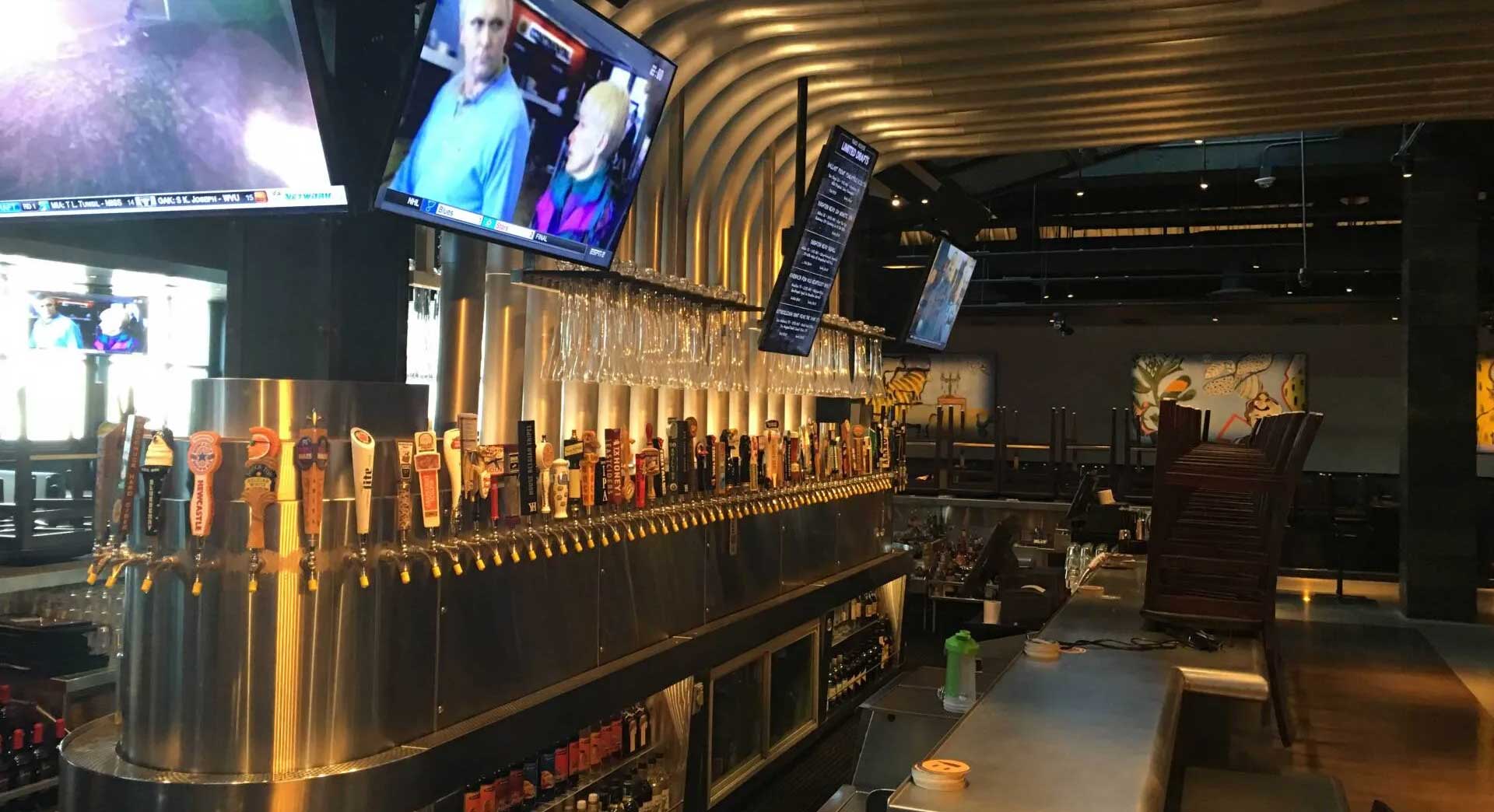
Clean Beer Lines

Cleaning beer lines is a crucial part of owning a bar, restaurant, or any other business that serves beer on tap. Not only does it keep your beer tasting fresh, but it also prevents sediment and bacteria from building up in the lines and clogging the taps. While there are many different ways to clean beer lines, using a cleaning keg is often the most effective method.


A cleaning keg is a small, pressurized keg that is used to clean beer lines without having to disassemble them. The cleaning solution is placed in the keg and then forced through the lines under pressure. This flushes out any sediment or bacteria that may be present in the lines and leaves them clean and ready to use.

Cleaning beer lines with a cleaning keg is a simple process that can be done in just a few minutes. Here are the steps you need to take:

  1. Connect the cleaning keg to the beer lines.
  2. Fill the keg with a cleaning solution.
  3. Turn on the pressure and allow the solution to flow through the lines.
  4. Turn off the pressure and disconnect the keg.
  5. Flush the lines with water to remove any residual cleaning solution.


That’s all there is to it! By following these simple steps, you can easily clean your beer lines and keep them in top condition.

Keep your draft beer cool

Some of the tips that you should keep in mind when using a cleaning keg include:

1. Always use fresh, clean water in your cleaning keg.

You should never reuse the water from a previous cleaning as this can contaminate your lines.

2. Use a good quality cleaning solution.

There are many different types of cleaning solutions on the market, so it is important to choose one that is designed specifically for cleaning beer lines.

3. Be sure to flush the lines with clean water after using the cleaning keg.

This will remove any residual cleaning solution from the lines and prevent it from affecting the taste of your beer.

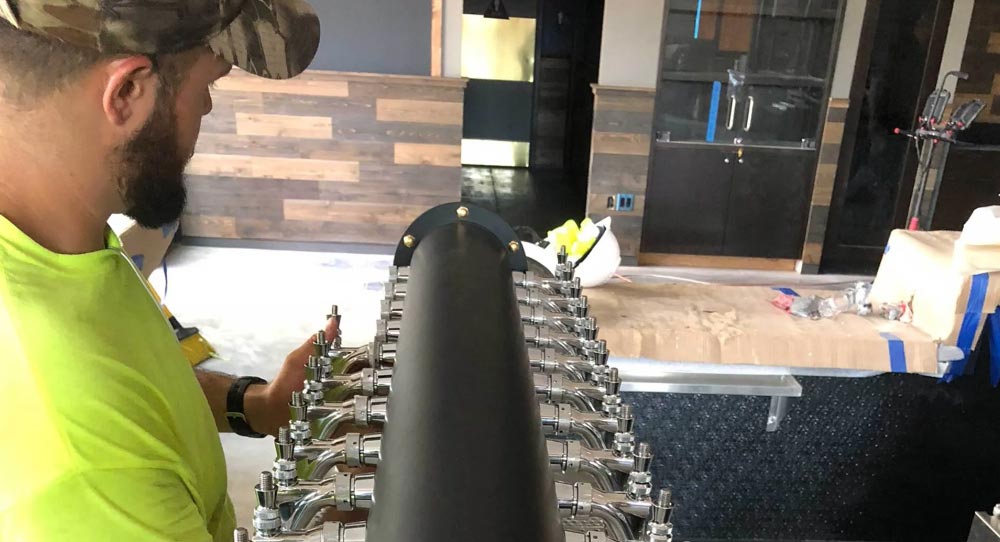
Cleaning keg

4. Clean your lines on a regular basis.

The frequency of cleaning will depend on how often you use your lines, but it is generally recommended that you clean them at least once a month.

5. Use the proper size cleaning keg.

The size of the keg you need will depend on the length of your beer lines. Be sure to choose a keg that is large enough to hold the amount of solution you need to clean your entire system.

6. Follow the manufacturer’s instructions.

Each type of cleaning keg is different, so it is important to read the instructions that come with yours before using it.

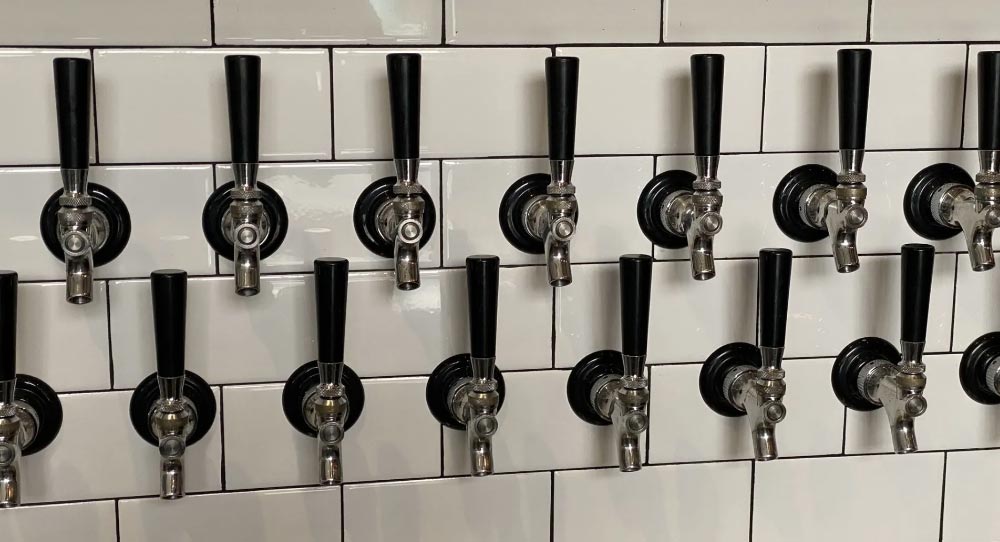
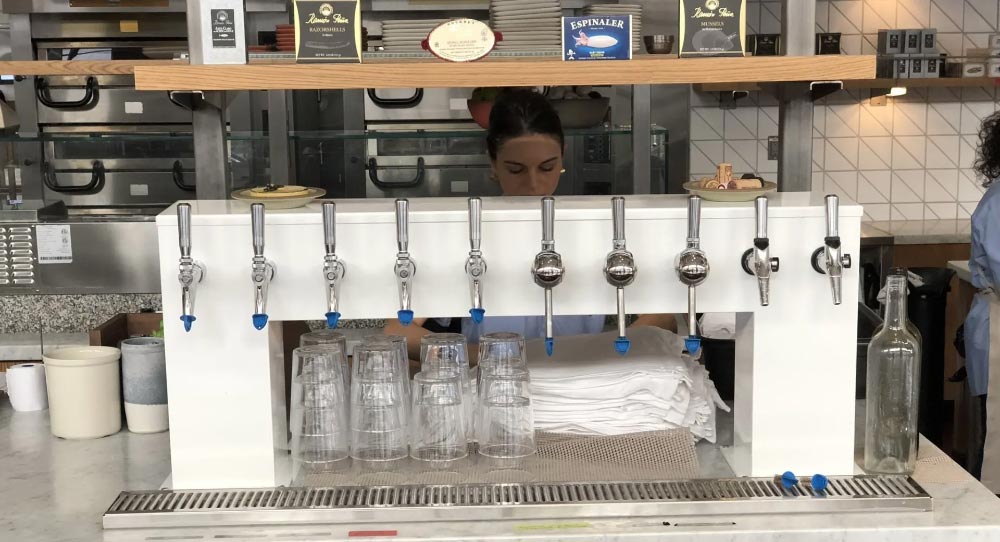
Beer Tap

7. Have a qualified technician perform the cleaning if you are not comfortable doing it yourself.

If you are not familiar with how to use a cleaning keg, it is best to leave the job to a professional.

8. Do not use your lines for anything other than beer.

Beer lines should never be used to dispense any other type of liquid, as this can contaminate the lines and affect the taste of your beer.

9. Be sure to clean all of your taps on a regular basis.

Taps can become clogged with sediment and bacteria just like beer lines, so it is important to keep them clean as well. By following these tips, you can ensure that your beer lines are clean and ready to use at all times. If you have any questions about using a cleaning keg, or if you would like to learn more about keeping your beer lines clean, contact a professional today.

GIVE US A CALL TODAY
Brewskis Beverage Service

AUTHOR:

Brewskis Beverage Service

Brewskis Beverage is a draft beer service company that specializes in draft system repair, installation, and custom beer tower design.

LEAVE A COMMENT:

Need Help with Draft Beer System Repair & Installation?

If you're in need of a draft beer system, be sure to check out Brewskis Beverage. We offer a wide selection of direct-draw beer systems that are perfect for any business. We also offer repair and installation services, so you can be sure your system is always up and running. Contact us today to learn more!

Blog - Request a Quote

Search Post:

RECENT POST:

October 28, 2026
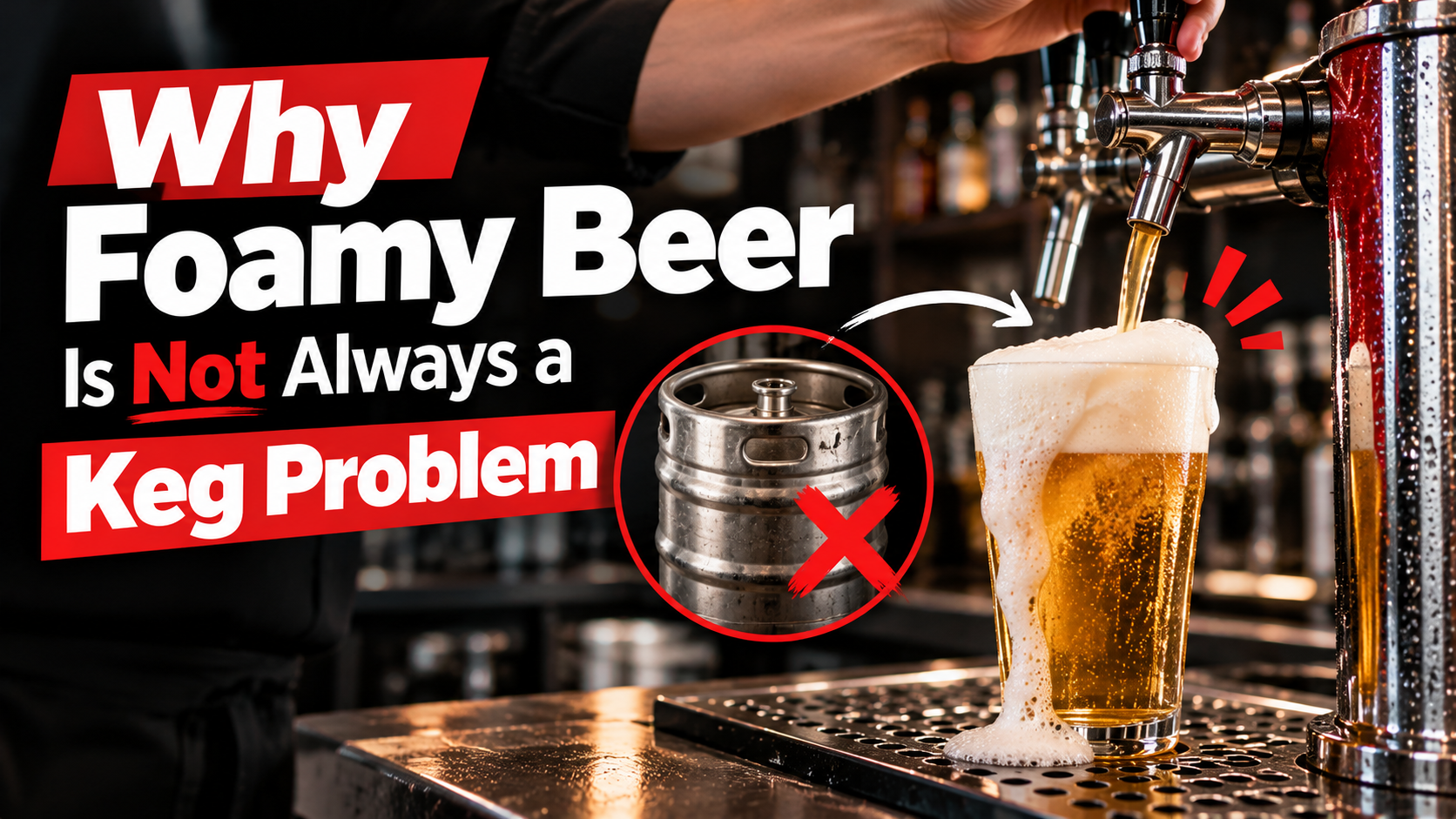
When beer pours with too much foam, many bar owners and staff assume the keg is the problem. While a keg issue can sometimes be the cause, foamy beer is often the result of a larger issue within the draft beer system. Temperature, pressure, line condition, faucet condition, and installation quality all play a role in how beer pours. Foam is normal in small amounts, but excessive foam wastes product, slows down service, and frustrates customers. A beer that arrives half foam may look unappealing, take longer to pour, and create more work for bartenders. Over time, that wasted beer can add up to a meaningful loss in revenue. Temperature is one of the most common causes of foamy beer. Beer needs to stay at a consistent cold temperature from the cooler to the faucet. If the beer becomes too warm anywhere in the system, carbon dioxide can escape from the beer and create foam. This can happen when a keg sits outside refrigeration for too long, when the cooler is not holding temperature, or when long beer lines are not properly cooled. Pressure is another major factor. Draft systems rely on the correct balance of pressure to push beer through the lines and maintain carbonation. If the pressure is too high, the beer may pour quickly and produce too much foam. If it is too low, the beer may pour slowly and lose carbonation. Every system needs to be balanced based on line length, elevation, temperature, and the type of beer being served. Dirty beer lines can also cause foam. Over time, yeast, bacteria, beer stone, and other buildup can collect inside draft lines. This buildup can affect flavor, restrict flow, and create inconsistent pours. Regular line cleaning is one of the most important parts of maintaining a draft beer system. Faucets and couplers can contribute to the problem as well. Worn seals, damaged parts, or improperly assembled equipment can allow air into the system or disrupt the flow of beer. Even a small issue at the faucet can create a noticeable difference in the pour. The keg itself can sometimes be the issue, especially if it has been shaken during delivery, stored improperly, or recently tapped. A freshly moved keg may need time to settle before it pours smoothly. However, if foam problems continue after the keg has had time to rest, the issue is more likely within the draft system. Installation quality matters too. A draft system that was not designed or installed correctly may have lines that are too long, poorly insulated, improperly routed, or unbalanced for the equipment being used. These issues can cause ongoing foam problems even when the kegs, beer, and faucets are all in good condition. Business owners should pay attention to patterns. If only one tap is foamy, the issue may be with that line, faucet, or coupler. If every tap is foamy, the issue may be related to temperature, pressure, or the overall system. Identifying the pattern can help narrow down the cause. Regular maintenance is the best way to prevent foam problems. Draft lines should be cleaned on a consistent schedule, equipment should be inspected for wear, and pressure and temperature should be checked to make sure the system remains balanced. Preventive service is usually far less expensive than losing product or dealing with emergency repairs. Brewskis Beverage Service has been helping bars, restaurants, breweries, and other businesses maintain draft beer systems since 1995. The company provides draft beer system installation, repair, maintenance, and line cleaning to help businesses keep beer pouring properly. Foamy beer is a sign that something in the system needs attention. Instead of replacing kegs or guessing at the cause, business owners can work with a professional draft beer company to find the source of the problem and restore a clean, consistent pour.
October 28, 2026
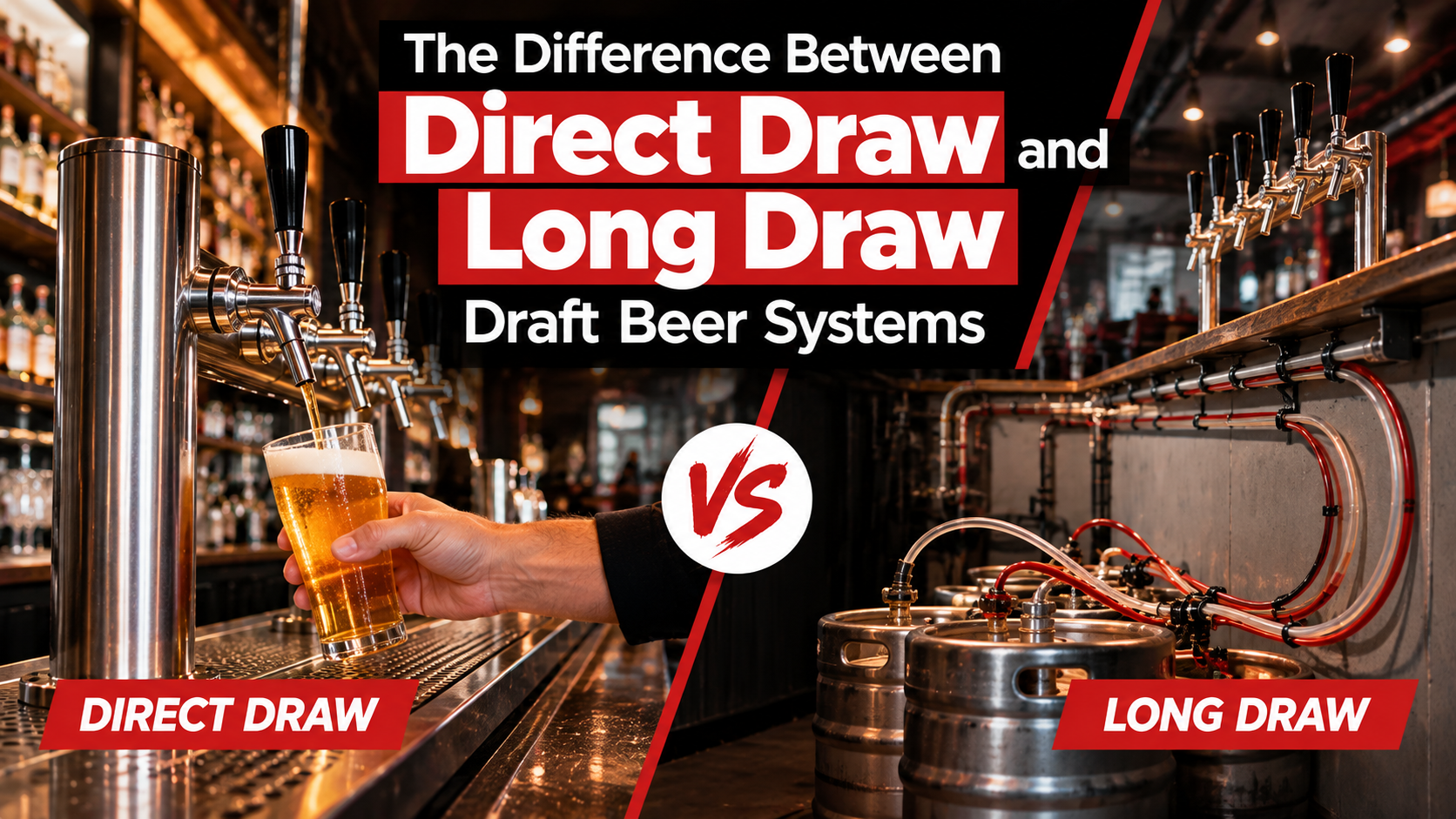
Choosing the right draft beer system is one of the most important decisions a bar, restaurant, brewery, or taproom can make. The system affects beer quality, pour consistency, installation cost, and day to day operations. Two of the most common options are direct draw systems and long draw systems, and understanding the difference can help business owners choose the right setup for their space. A direct draw draft system is the simplest option. In this setup, the kegs are stored directly behind or beneath the bar, usually in a kegerator or walk in cooler located close to the taps. Because the kegs are near the faucets, the beer does not need to travel very far before it is poured. Direct draw systems are often a good choice for smaller bars, restaurants, and businesses with limited tap counts. They are generally easier to install, easier to maintain, and less expensive than more complex systems. Because the kegs are close to the taps, temperature control can also be simpler. One advantage of a direct draw system is convenience. Staff can access kegs quickly, change them easily, and monitor inventory without walking across the building. This can save time during busy periods and make day to day operations more efficient. However, direct draw systems are not always practical for larger spaces. If a business wants many taps or needs to store kegs far from the bar, a direct draw setup may not be possible. Space limitations, cooler location, and bar layout all affect whether this system makes sense. A long draw draft system is designed for situations where the kegs are located farther away from the taps. In this setup, beer travels through insulated lines from a remote cooler to the draft tower at the bar. These systems often use glycol cooling to keep the beer at the correct temperature as it moves through the lines. Long draw systems are common in larger bars, breweries, stadiums, and venues with multiple beer stations. They allow businesses to store kegs in a central cooler while still serving beer at different areas of the building. This can be especially useful when a business wants a large tap wall or multiple service points. The main benefit of a long draw system is flexibility. Businesses can design a tap layout that fits their space without needing to place kegs directly behind every bar. This makes it possible to serve beer in areas that would otherwise be difficult to supply. Long draw systems require more planning and professional installation. Line length, insulation, cooling, pressure, and flow rate all need to be calculated correctly. If the system is not designed properly, the beer may pour too foamy, too warm, or inconsistently from tap to tap. Maintenance is also important for both systems. Direct draw systems may be easier to service because the equipment is more compact, while long draw systems require attention to glycol cooling, line condition, and overall system balance. Regular cleaning and maintenance help protect beer quality in either setup. Brewskis Beverage Service has been helping businesses with draft beer systems since 1995. The company provides installation, repair, maintenance, and line cleaning for draft beer systems, including direct draw and long draw setups. The right system depends on the business. A small bar with a few taps may be better served by a direct draw system, while a larger venue with multiple beer stations may need a long draw system. The goal is to choose a setup that supports beer quality, staff efficiency, and the customer experience. Before choosing a system, business owners should consider their space, number of taps, cooler location, expected beer volume, and future growth plans. A professional draft beer company can help evaluate those needs and design a system that works well from day one.
October 28, 2026
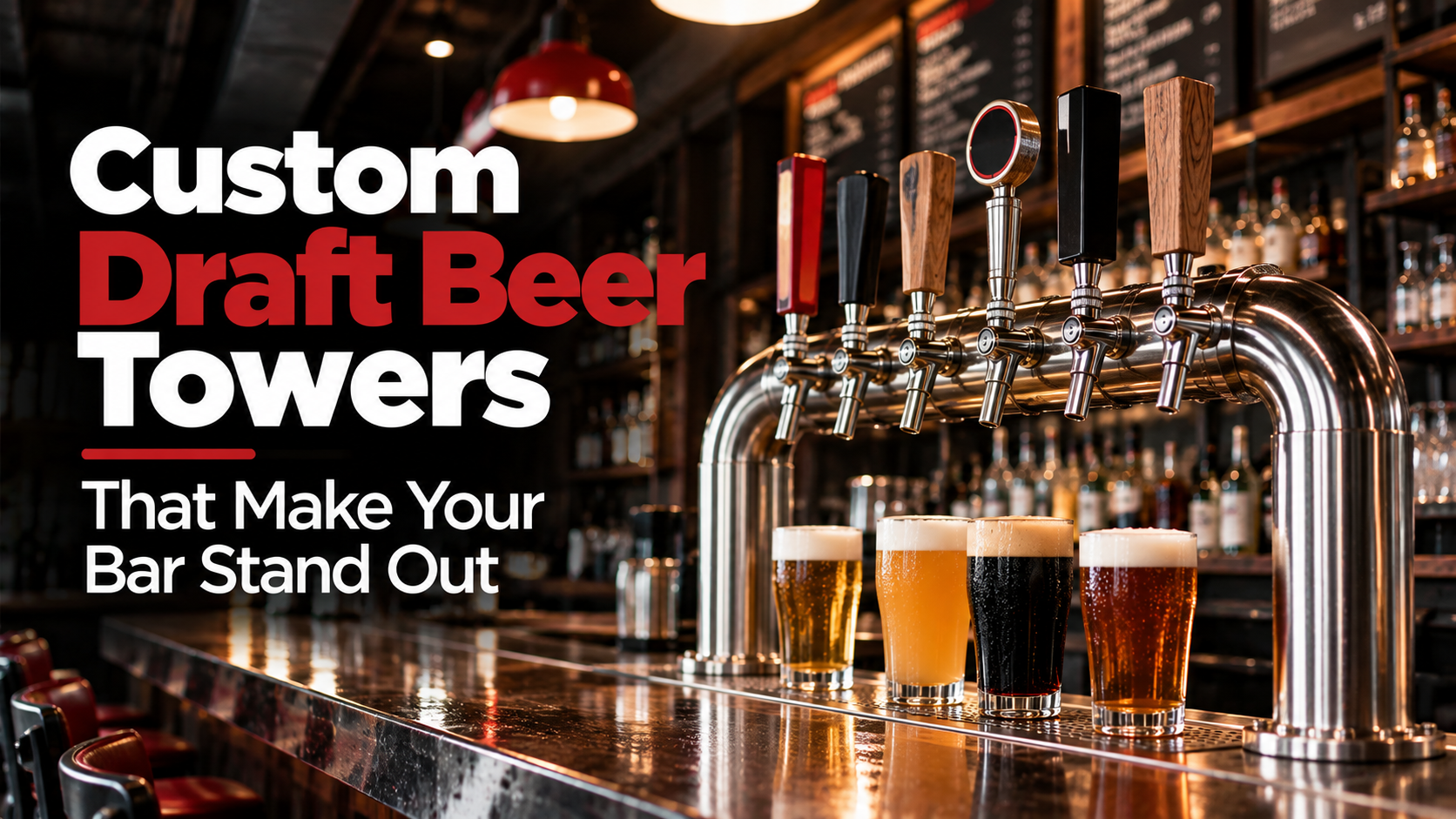
A draft beer tower is more than a way to pour beer. It is one of the most visible parts of a bar, restaurant, brewery, or taproom. Customers see it when they walk in, sit at the bar, or order a drink. The right tower can improve the look of a space, support better beer service, and help a business create a more memorable experience. Many bars use standard draft towers, but a custom tower allows a business to design something that fits its brand and layout. A custom tower can match a company’s colors, logo, theme, or overall style. It can also be built to support the exact number of taps a business needs, whether that is a small two tap setup or a larger system with many beer options. Custom draft towers are especially useful for businesses that want their bar area to feel unique. A sports bar may want a bold, eye catching tower, while a craft brewery may prefer a clean and modern look. A restaurant may want a tower that blends into the design of the space, while a taproom may want something that becomes part of the customer experience. Function matters just as much as appearance. A well designed tower should support proper beer flow, temperature control, and easy access for staff. The tower should also be built to work with the rest of the draft system, including the cooler, beer lines, regulators, and faucets. When these parts work together, the result is a better pour and a better customer experience. The number of taps is one of the first decisions a business should make. A small bar may only need a few taps, while a larger restaurant or brewery may want space for a wide range of beers. Planning for future growth is also important. A business that expects to add more beer options later may benefit from a tower designed with expansion in mind. Placement is another important factor. The tower should be easy for customers to see and easy for staff to use. It should not block views, crowd the bar, or make service more difficult. A professional installer can help determine the best location based on the layout of the bar, the distance from the cooler, and the overall design of the space. Material and finish also affect the final result. Stainless steel is a common choice because it is durable and easy to clean, but custom towers can include different finishes, colors, lighting, and branding elements. The goal is to create a tower that looks great while still holding up to daily use in a busy bar environment. A custom draft tower can also help a business highlight its identity. A logo, custom color scheme, or unique shape can make the bar area feel more intentional and polished. Customers often remember details like these, especially when the overall experience feels consistent from the moment they walk in. Installation quality is critical. A beautiful tower will not perform well if the draft system behind it is poorly designed or installed incorrectly. Proper line routing, pressure settings, cooling, and cleaning access all affect beer quality. Working with an experienced draft beer company helps ensure the tower looks good and functions properly. Brewskis Beverage Service has been helping bars, restaurants, and other businesses with draft beer systems since 1995. The company provides draft beer system installation, repair, maintenance, and line cleaning, along with custom draft towers designed to fit the needs of each business. A custom draft tower can turn an ordinary bar setup into a focal point. It gives a business a chance to show its personality while improving the way beer is served. When design and function work together, the tower becomes part of the overall customer experience. For businesses looking to upgrade their bar, add taps, or create a more distinctive space, a custom draft beer tower is a smart investment. It can improve appearance, support better service, and help a bar stand out in a competitive market.
October 8, 2026
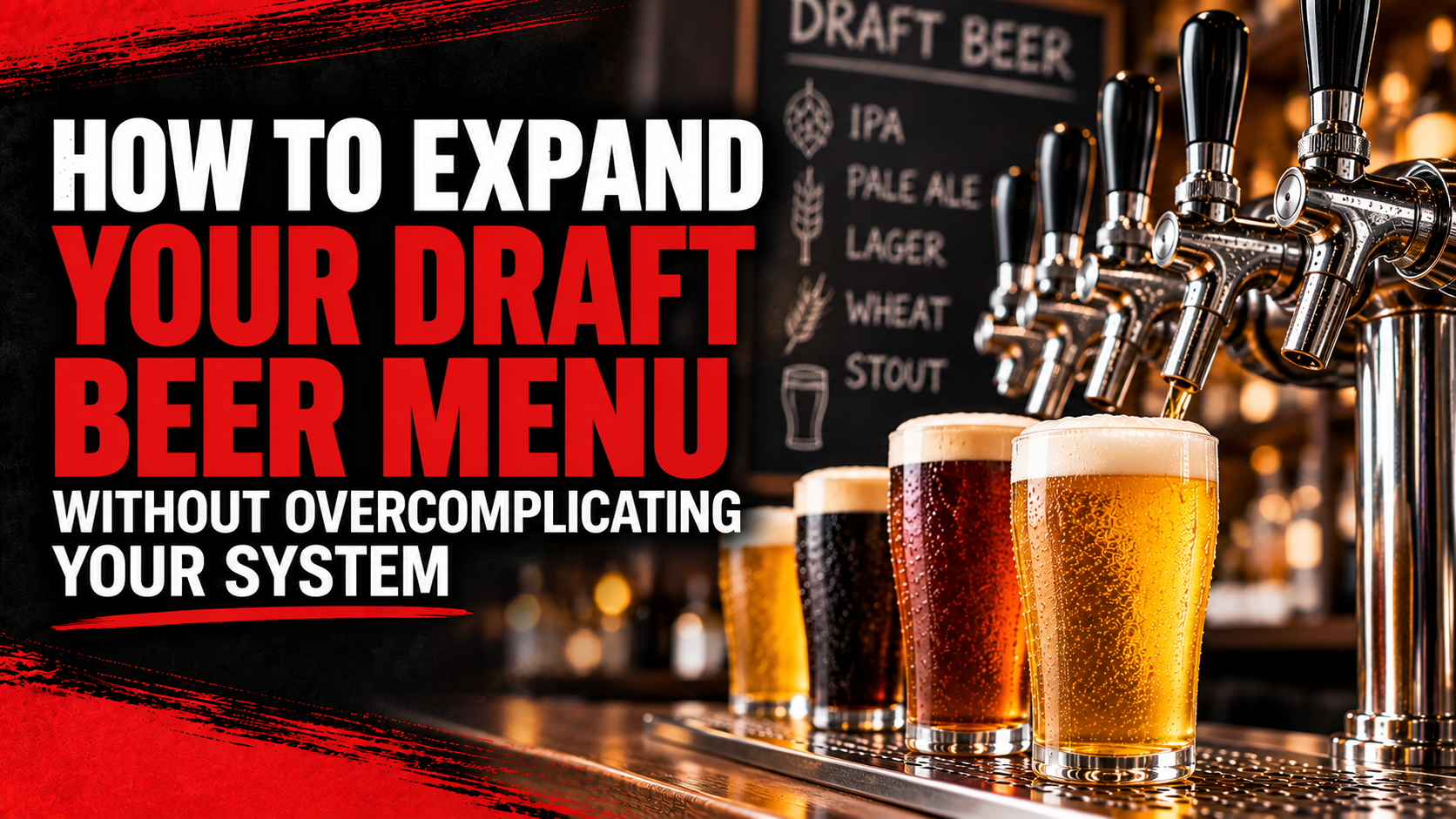
Expanding a draft beer menu can attract new customers, encourage repeat visits, and give your bar or restaurant more opportunities to promote seasonal and specialty selections. However, adding more taps is not as simple as placing additional handles on the bar. A larger beer menu requires thoughtful planning, sufficient cooling, proper line routing, and a maintenance strategy that keeps every selection tasting fresh. The goal is to create variety without making the draft system difficult to operate. With the right approach, you can expand your menu while protecting beer quality, staff efficiency, and profitability. Start with your customer demand Before adding new taps, review what your customers are already ordering. Sales reports, customer feedback, and staff observations can help you determine which styles are most popular and which selections may deserve more attention. Consider whether your customers are asking for more lagers, IPAs, stouts, sour beers, local products, seasonal releases, or non-alcoholic options. Understanding demand helps you avoid filling valuable tap space with beers that do not move consistently. A successful draft menu should reflect your audience while still providing enough variety to make the selection interesting. Consider keg turnover Every keg needs to move at an appropriate pace. If a beer sits too long, its quality may decline and the business may lose product through spoilage or waste. This is especially important when adding specialty, seasonal, or lower-demand beers. Before adding a tap, consider how many servings you expect to sell, how long the keg will remain connected, whether the beer has special storage requirements, and whether it fits your current menu rotation. A smaller, carefully managed selection is often more profitable than a large menu with slow-moving products. Evaluate your existing system Your current draft system may not be ready for additional lines. Before expanding, evaluate the condition, capacity, and layout of the equipment already in place. Important considerations include the size of the cooler, available space for additional kegs, cooling capacity, line routing, gas distribution, tower configuration, and access for cleaning and service. Adding taps without evaluating these areas can lead to inconsistent pours, temperature problems, and increased maintenance needs. A professional assessment can help determine whether your system can support expansion or whether upgrades are needed first. Plan for proper cooling Cooling becomes more important as the number of draft lines increases. Beer must remain at a consistent serving temperature from the keg to the faucet. Long line runs, warm areas, and insufficient refrigeration can result in excessive foam, flat beer, and inconsistent flavor. Depending on your layout, expansion may require additional insulation, upgraded refrigeration, or a glycol cooling system. The right solution depends on the distance between the keg storage area and the bar, the number of lines, and the volume of beer being served. Proper cooling protects beer quality and makes the expanded system more reliable. Design an organized tap layout A larger menu should still be easy for staff and customers to understand. An organized tap layout can make service faster and reduce confusion during busy periods. Consider grouping beers by style, brewery, sales volume, or customer familiarity. Popular selections should be easy for staff to reach, while seasonal or specialty taps can be highlighted for customer interest. Clear labels and well-positioned tap handles also help customers make decisions more quickly. A well-organized tower can improve both the appearance and functionality of your bar. Maintain consistent line care More beer lines mean more cleaning and service responsibilities. Each additional line must be included in the regular maintenance schedule. If one line is neglected, it can affect the flavor and reputation of the entire draft program. A maintenance plan should account for line cleaning, faucet and coupler care, inspection of fittings and connections, temperature checks, pressure checks, and replacement of worn components. Keeping accurate service records can help staff know when each line was last cleaned and when follow-up is needed. Expansion should never come at the expense of draft quality. Train staff before launching new taps A larger beer menu requires staff knowledge. Bartenders should understand the basics of each beer, including its style, flavor profile, serving requirements, and recommended pairings. They should also know how to identify problems such as excessive foam, slow pours, or unusual taste. Training can help staff: Explain new selections to customers. Recommend beers with confidence. Pour each beer correctly. Identify system issues early. Reduce unnecessary waste. When staff are prepared, customers are more likely to try unfamiliar selections and return for their favorites. Protect profitability Adding taps can increase revenue, but only if the additional selections are managed carefully. Consider the cost of equipment upgrades, installation, cooling, maintenance, keg storage, product loss, and staff training. A profitable expansion should include a plan for pricing, portion control, inventory tracking, seasonal rotation, and measuring sales by tap. Reviewing this information after launch can help you identify which beers are worth keeping and which should be replaced. A draft expansion should support your business goals, not simply increase the number of handles on the bar. Plan for future flexibility Customer tastes change, and your beer menu may need to change with them. When expanding, consider whether the system can support future additions or seasonal rotations without requiring major reconstruction. Flexible planning may include extra capacity for future lines, accessible equipment placement, adaptable tower design, and a layout that allows new beers to be introduced efficiently. This can reduce costs if your draft program continues to grow. Planning ahead creates more options and helps protect the value of your investment. Know when to call a professional If you are unsure whether your current system can support expansion, professional guidance can prevent costly mistakes. An experienced draft service provider can evaluate your setup, recommend appropriate upgrades, plan line routing, assess cooling needs, and install additional taps properly. Professional assistance is especially important when adding long-draw lines, expanding a glycol system, redesigning a beer tower, or changing the layout of your keg storage and bar. The right support can help ensure that every new line performs consistently from the first pour. Expanding your draft beer menu can be a smart way to attract customers and increase beverage sales, but it requires more than adding taps. Demand, keg turnover, cooling, line routing, maintenance, staff training, and profitability all need to be considered. At Brewskis, we help bars and restaurants expand their draft programs with professional planning, custom beer tower design, installation, maintenance, and repair. With the right system and a thoughtful approach, you can offer more variety without sacrificing quality or operational efficiency.
October 8, 2026
A beer tower is more than a place to attach taps. It is a visible part of your bar, an important piece of your draft system, and a central part of the customer experience. The right beer tower can improve workflow, support consistent pours, create a stronger visual presentation, and help your business serve a wider selection of beer. For bars and restaurants, choosing the right tower requires more than selecting a design that looks attractive. The tower must also fit the space, support the number of taps you need, work with the draft system, and make service easy for your staff. Careful planning and professional installation can help ensure that your beer tower performs as well as it looks. Start with your business needs The best beer tower design begins with an understanding of your business. Every venue has different space limitations, customer volume, menu goals, and service requirements. A neighborhood bar may need a compact tower with a few popular selections, while a high-volume restaurant may need a larger system with multiple beer styles and rotating taps. Consider how many beers you want to serve, how much draft volume you expect, which selections will be permanent, and whether you plan to add seasonal or specialty options. These decisions will influence the size, layout, cooling needs, and line configuration of the tower. Planning around your actual service needs helps prevent an expensive setup that is either too small for your operation or more complex than necessary. Choose the right number of taps The number of taps is one of the most important decisions in beer tower design. More taps can create variety and attract customers, but additional lines also require more space, maintenance, cooling capacity, and inventory management. A well-planned tap system should provide enough variety without making operations unnecessarily complicated. Many businesses benefit from offering a balanced selection that includes familiar favorites, popular craft styles, seasonal choices, and premium options. The ideal number of taps depends on your menu, available space, sales volume, and ability to manage each keg properly. It is also important to plan for future growth. If you expect to expand your beer menu, your tower and draft infrastructure should be designed with that possibility in mind. Match the tower to your bar layout A beer tower must work with the physical layout of the bar. Its location affects staff movement, customer visibility, keg access, line routing, and overall service speed. A tower that looks good but blocks workflow can create problems during busy periods. Before installation, consider the distance between the tower and keg storage, the available space behind the bar, access for maintenance, placement of refrigeration or glycol equipment, and how staff will move around the work area. The tower should be easy for bartenders to use without creating unnecessary congestion. Proper planning also helps ensure that the system is accessible for cleaning, repairs, and future upgrades. Think about appearance and branding A custom beer tower can become a strong visual feature in your establishment. Customers often notice the tap wall or beer tower before they place an order, which makes design an important part of the overall atmosphere. Your tower can complement the style of your business through its shape, finish, materials, tap handles, lighting, and branding. A polished stainless steel tower may suit a modern restaurant, while a custom-branded tower may work better in a sports bar, brewery, or entertainment venue. The best design balances appearance with function. A visually impressive tower should still be easy to operate, clean, and maintain. Consider tap placement Tap placement affects speed, organization, and staff comfort. If taps are too close together, handles may interfere with one another. If they are placed too far apart, the tower may become unnecessarily large or difficult to use. Tap layout should account for beer type, sales volume, handle visibility, glass placement, and the way bartenders naturally move during service. Popular beers should be positioned where staff can reach them easily, while specialty or seasonal taps can be arranged to create visual interest. A thoughtful layout can improve service speed and reduce confusion during busy shifts. Plan for temperature control Temperature control is essential to draft beer quality. Beer lines must remain cold from the keg to the faucet, especially in systems where the keg storage area is separated from the bar. Depending on the layout and distance, the system may require insulated trunk lines or glycol cooling to maintain consistent serving conditions. A professional design should evaluate the distance between the keg cooler and the tower, the type of cooling required, the route of the beer lines, and the environment around the bar. Warm sections of line can lead to foam, inconsistent pours, and product waste. A properly cooled system protects beer quality and helps the tower perform consistently throughout service. Build around long-term maintenance A beer tower should be designed with maintenance in mind from the beginning. Every line, faucet, coupler, and connection needs to remain accessible for cleaning, inspection, and service. A system that is difficult to access can make routine maintenance more time-consuming and increase the risk of neglected components. Before finalizing the design, consider how technicians will access the lines, faucets, cooling equipment, and connections. Good planning makes cleaning easier, reduces downtime, and helps protect the long-term performance of the system. Professional installation also ensures that components are connected correctly and that the system is tested before it is placed into regular service. Avoid common design mistakes Several mistakes can reduce the effectiveness of a beer tower. Choosing too many taps without considering keg turnover can result in stale product and unnecessary complexity. Ignoring the distance between the keg cooler and tower can create cooling problems. Failing to plan for access can make routine service difficult. Other common issues include poor line routing, insufficient space behind the bar, incorrect equipment placement, and selecting a design based only on appearance. A successful beer tower must support the entire draft system, not just the front-facing presentation. Working with experienced professionals can help identify these concerns before installation begins. A tower should support your business goals The right beer tower can support more than beverage service. It can help your business highlight premium selections, create a recognizable bar feature, improve customer engagement, and make it easier for staff to serve guests efficiently. A well-designed system can also support future menu changes. As customer preferences shift, you may want to add seasonal releases, local beers, limited offerings, or specialty beverages. Planning for flexibility can make those changes easier and more cost-effective. Your tower should support where your business is today while allowing room for where it may go next. The value of professional design and installation Designing and installing a beer tower requires an understanding of draft systems, cooling, line routing, pressure, space planning, and service requirements. Professional support can help you choose equipment that fits your venue and avoid problems that may become expensive later. A professional draft service provider can help with system planning, custom tower design, tap layout, line installation, cooling requirements, equipment connections, testing, and long-term maintenance planning. This creates a more reliable foundation for consistent service. At Brewskis, we help bars and restaurants design and install draft beer systems that match their space, menu, and operational goals. Our team can help turn your vision into a functional and attractive setup. The perfect beer tower combines design, performance, and practicality. It should look right for your business, support the number of taps you need, fit your bar layout, maintain proper cooling, and remain accessible for maintenance. When these details are planned carefully, the result is a better experience for staff and customers.  At Brewskis, we provide professional draft beer system services, including custom beer tower design, installation, repair, and maintenance. A well-designed tower can become one of the most useful and recognizable features of your bar or restaurant.
October 8, 2026
A draft system only works as well as its weakest link. When temperature, pressure, and cleaning are all in balance, beer pours clean, consistent, and true to the brewery's intent. When one of these areas slips, the result is foam, flat pours, or off-flavors that cost money and frustrate customers. This checklist gives bars and restaurants a clear way to monitor the three pillars of draft quality: temperature, pressure, and cleaning intervals. Use it as a daily and weekly guide for your team, and as a reference before calling in professional service. Temperature: the foundation of draft quality Temperature affects carbonation, foam, and flavor. Beer that is too warm will foam excessively and lose carbonation. Beer that is too cold can taste muted and may pour slowly. Keeping the entire system at the right temperature is the first step to a good pour. Daily temperature checks: Verify keg temperature in the cooler, not just the air temperature. Check that glycol or remote cooling systems are running and stable. Ensure lines running through warm areas are properly insulated. Confirm the faucet area is not exposed to direct heat or sunlight. Record temperatures in a log to spot trends over time. Target serving temperature for most draft beer is 36 to 38 degrees Fahrenheit. If your system runs outside this range, adjust cooling before changing other settings. Pressure: balancing carbonation and flow CO2 pressure must match your system design and beer style. Too much pressure creates foam and waste. Too little pressure causes flat pours and slow flow. Pressure issues are often mistaken for cleaning problems, so it is important to check them early. Daily pressure checks: Confirm the CO2 tank is open and has sufficient gas. Verify regulator settings match the system's balance specifications. Inspect for obvious leaks at the tank, regulator, and coupler. Listen for hissing or bubbling that may indicate a leak. Note any changes in pour behavior after pressure adjustments. Weekly pressure checks: Test each tap for consistent flow and foam levels. Compare pressure settings across different beer styles and keg sizes. Review recent changes in carbonation or foam that may signal imbalance. Document any adjustments and their impact on pour quality. If pressure must be set unusually high or low to get a decent pour, the system may be unbalanced or have hidden restrictions. Cleaning intervals: protecting flavor and safety Dirty lines are the most common cause of off-flavors in draft beer. Yeast, protein, and mineral buildup can make beer taste sour, stale, or chemical-like. Regular cleaning prevents this buildup and protects both flavor and safety. Minimum cleaning schedule: Clean beer lines every 14 days at minimum, as recommended by industry standards. Clean faucets and couplers on the same schedule. Flush taps that have not been used for several days before serving. Use the correct cleaning chemistry for your system and water conditions. Keep a signed cleaning log on site for compliance and tracking. Signs cleaning is overdue: Beer tastes sour, stale, or off compared to bottle or can versions. Increased foam or gushing that was not present before. Visible buildup in faucets or couplers during inspection. Customer complaints about taste or carbonation. Inconsistent pour quality from one tap to another. If off-flavors persist after cleaning, the system may need a deep clean, acid wash, or professional inspection for biofilm. Weekly draft quality checklist Use this weekly checklist to keep your system on track: Temperature: Keg cooler temperature recorded and within target range. Glycol or remote cooling system running without alarms. No warm spots in line runs or faucet areas. Pressure: CO2 tank open and regulator set to correct pressure. No audible leaks at tank, regulator, or coupler. All taps pouring with consistent flow and foam levels. Cleaning: Last cleaning date recorded and within 14-day window. Faucets and couplers visually clean and free of buildup. Cleaning log signed and up to date. Pour quality: No flat pours or excessive foam on any tap. Beer tastes clean and matches expected profile. Staff trained on proper pour technique and glassware. When to call a professional Some issues require specialized knowledge or equipment. Call a professional draft service if: Off-flavors persist after thorough cleaning and flushing. Foam or flat pours continue despite correct temperature and pressure. You suspect system imbalance, long-draw glycol issues, or hidden restrictions. There are visible leaks you cannot locate or fix. The system has not been serviced in a long time. Professional service can rebalance the system, perform deep cleaning, and inspect components that are hard to access.  A well-maintained draft system is built on three pillars: correct temperature, balanced pressure, and consistent cleaning. By using a simple checklist, bars and restaurants can catch problems early, reduce waste, and keep every pour at its best. When these basics are in place, the entire operation runs smoother and customers get the quality they expect. At Brewskis , we help venues maintain draft quality through professional cleaning, system balancing, and preventive maintenance. Our team ensures your temperature, pressure, and cleaning intervals are aligned so every pint pours the way it should.
September 5, 2026
When a draft pour is not right, the problem is usually one of three things: the beer pours flat, it pours too foamy, or it tastes off. Each symptom points to a specific set of causes. By following a simple diagnostic flow, bars and restaurants can find the root issue faster, reduce waste, and get back to clean, consistent pours. This guide walks you through a step-by-step way to troubleshoot common draft problems. Use it as a checklist for your team or as a starting point before calling in professional service. Start with the basics Before diving into complex fixes, check the fundamentals. Many draft issues come from simple oversights that are easy to correct. Quick basics to verify: Is the keg cold enough from top to bottom? Is the CO2 tank open and connected properly? Is the regulator set to the correct pressure for the beer and system? Are the faucet and coupler clean and free of debris? Has the system been cleaned within the recommended interval? If any of these are off, correct them first and test a pour. If the beer pours flat Flat beer usually means the beer is losing carbonation somewhere between the keg and the glass. This can happen due to low pressure, temperature issues, or leaks. Check these in order: CO2 pressure: Verify the regulator is set correctly for your system and beer style. Too low pressure can cause flat pours. Temperature: Warm beer holds less carbonation. Ensure the keg and lines are at the proper serving temperature. Leaks: Inspect all connections, including the coupler, regulator, and line fittings. Use soapy water to look for bubbles that indicate a leak. Line length and balance: If lines are too long or the system is unbalanced, carbonation can drop before the beer reaches the faucet. Keg age: Old or improperly stored kegs can lose carbonation over time. If pressure, temperature, and connections are correct but the beer is still flat, the system may need rebalancing or professional inspection. If the beer pours too foamy Excessive foam is one of the most common draft complaints. It is often caused by temperature, pressure, or restriction issues that agitate the beer as it flows. Check these in order: Temperature: Beer that is too warm will foam excessively. Ensure the keg and lines are properly chilled. Pressure: Too much CO2 pressure can cause over-carbonation and foam. Verify the regulator setting matches your system design. Restrictions: Kinks in the line, clogged faucets, or dirty couplers can create turbulence and foam. Inspect and clean as needed. System balance: If line length, diameter, and pressure are not balanced, foam is likely. This often requires a professional assessment. Pour technique: Tilting the glass and opening the faucet fully can reduce foam. Train staff on proper pour method. If foam persists after these checks, the issue may be deeper in the system, such as glycol problems in long-draw setups or hidden restrictions. If the beer tastes off Off-flavors are often the most serious sign. They can indicate contamination, dirty lines, or equipment issues that affect both taste and safety. Check these in order: Line cleanliness: Dirty beer lines are the most common cause of sour, stale, or off-tasting beer. Verify the last cleaning date and schedule a clean if overdue. Faucet and coupler hygiene: Buildup in these areas can taint flavor. Remove and clean both components thoroughly. Old beer in lines: If a tap has not been used in a while, flush it before serving. Stale beer left in lines can spoil the taste. Chemical residue: If lines were recently cleaned, ensure they were rinsed properly. Residual cleaner can create chemical or soapy flavors. Equipment wear: Worn seals, gaskets, or plastic parts can harbor bacteria and affect taste. Replace parts as needed. If off-flavors continue after cleaning and flushing, the system may need a deep clean, acid wash, or professional service to check for biofilm or hidden contamination. Use a simple diagnostic flow To make troubleshooting faster, follow this order: Check temperature first. Most draft problems start with improper cooling. Verify CO2 pressure and connections. Incorrect pressure or leaks cause flat or foamy pours. Inspect faucets, couplers, and lines for dirt, debris, or damage. Confirm the system was cleaned on schedule and rinsed properly. Test pour technique and glassware. Staff training can solve many foam issues. If problems persist, call a professional to assess system balance, glycol function, or hidden issues. This flow helps you eliminate the most common causes before moving to complex fixes. When to call a professional Some draft problems require specialized knowledge or equipment. If basic checks do not resolve the issue, it is time to bring in expert service. Call a professional if: Off-flavors persist after thorough cleaning and flushing. Foam or flat pours continue despite correct temperature and pressure. You suspect system imbalance or glycol issues in long-draw setups. There are visible leaks you cannot locate or fix. The system has not been serviced in a long time. Professional service can identify hidden problems, rebalance the system, and perform deep cleaning that restores pour quality. Prevent problems with routine care The best way to avoid draft issues is consistent maintenance. A well-maintained system pours better, wastes less beer, and keeps customers happy. Routine care should include: Cleaning beer lines every 14 days at minimum. Cleaning faucets and couplers on the same schedule. Checking temperature and pressure regularly. Inspecting lines and fittings for wear or damage. Keeping a log of cleaning and service dates. When maintenance is routine, small issues are caught before they become big problems. Flat, foamy, or off-tasting beer does not have to mean lost revenue or unhappy customers. By following a simple diagnostic flow, you can identify and fix most draft problems quickly. Start with temperature and pressure, move to cleaning and inspection, and call in professional service when needed. Consistent care and a clear troubleshooting process keep your draft system pouring at its best. At Brewskis, we help bars and restaurants diagnose and resolve draft issues fast. From cleaning and balancing to full system service, our team ensures every pour meets quality standards.
Follow Brewskis Beverage Service on Facebook!

FOLLOW US ON FACEBOOK!

We would love to hear from you. Follow us on facebook to stay up to date with our latest posts and deals!